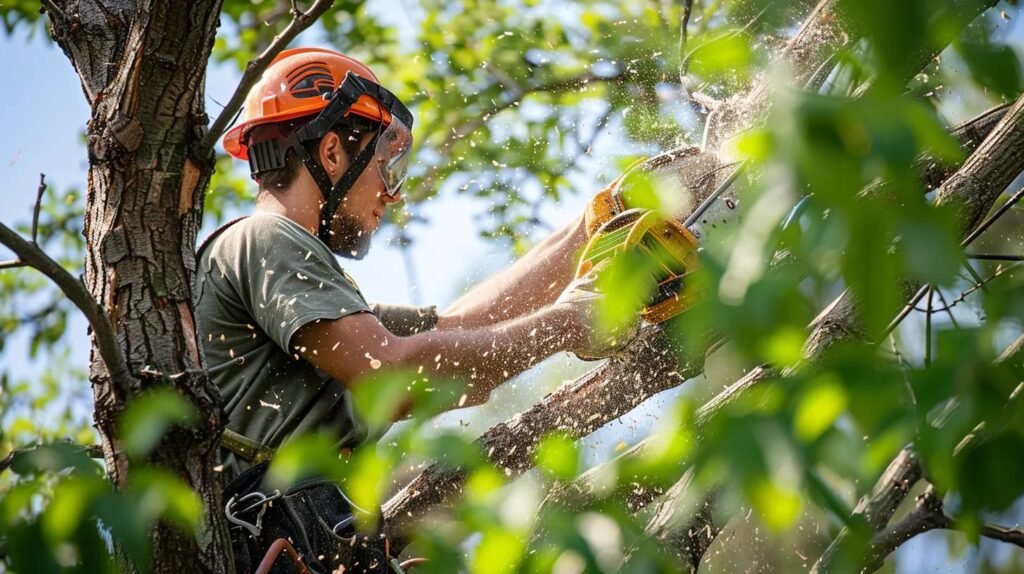
Understanding Local Tree Trimming Costs
Are you uncertain about what to expect when it comes to tree trimming costs in your area? Understanding local tree trimming prices can save homeowners money while ensuring safety and proper care for their trees. This article will explore key factors that affect tree trimming costs, provide insights on pricing structures, and offer tips for estimating your expenses effectively. By reading this content, homeowners will gain clarity on how to budget for tree trimming near them, addressing common concerns about hidden costs and unnecessary debris removal.
Key Takeaways
- Tree size significantly influences trimming costs, with larger trees requiring more resources and time
- The type and health of trees dictate specific care techniques, impacting overall expenses
- Seasonal timing affects pricing, with dormant seasons often offering lower rates for services
- Accessibility challenges can lead to additional costs, especially in urban environments with tight spaces
- Regular tree maintenance can prevent larger expenses, enhancing the long-term health of trees
Tree Trimming Cost Factors
Several factors influence the costs associated with professional tree trimming near me services. Key considerations include the size and type of the tree, the number of trees requiring service, and the overall health of each tree. Seasonal timing can affect pricing, as can labor costs and accessibility challenges. Additionally, geographic location often plays a significant role in determining final expenses.
Each of these elements directly impacts the complexity of the job, which may necessitate specialized tools, heavy equipment, junk removal services, or even mulch for soil health. Addressing potential pest issues is also critical in providing effective tree care, including tree trimming near me.
Size of the Tree
The size of the tree significantly influences the overall tree trimming cost. Larger trees typically require more time and resources, which can lead to increased expenses. For instance, trimming a towering oak or maple tree may demand specialized equipment and skilled arborists to navigate the thick trunk and extensive canopy safely, ensuring the beauty of the tree is maintained.
| Tree Size | Typical Cost Range | Considerations |
|---|---|---|
| Small (up to 20 ft) | $75 – $300 | Less labor-intensive, easier access for trimming |
| Medium (20 – 40 ft) | $300 – $600 | Requires more specialized tools and skills of an arborist |
| Large (over 40 ft) | $600 – $1,500+ | Complex job, often needing heavy equipment, increased labor costs |
Type of Tree
The type of tree plays a significant role in determining the costs associated with tree trimming services. Different species, such as oak, require specific pruning techniques to maintain their health and aesthetic appeal. Understanding the requirements for each species ensures that homeowners can effectively communicate their needs to a professional, leading to a more satisfactory outcome in tree care and potentially avoiding related issues, such as water damage in basements due to improper tree growth affecting drainage.
Number of Trees
The number of trees needing trimming significantly affects overall costs for maintaining a property’s landscape. Homeowners with multiple trees may benefit from package deals offered by professional services, potentially lowering average costs per tree. It is essential to consider factors such as potential insect infestations that could spread among trees, as addressing these issues proactively can ensure healthier trees and reduce future expenses:
- Assess the total number of trees on the property.
- Consider grouping trees for more efficient service.
- Be aware of any signs of insect infestation that may require specific treatment.
Health of the Tree
The health of the tree is a critical factor influencing tree trimming costs, particularly in urban areas like New York City. Trees with compromised health may require specialized attention from professional arborists, especially when dealing with species such as cypress, which can be vulnerable to disease. Understanding the nuances of the branch collar and how it relates to the tree’s wood structure can help ensure proper trimming techniques are applied, maintaining the tree’s overall vitality while potentially reducing long-term care expenses.
| Health Factor | Impact on Cost | Considerations |
|---|---|---|
| Healthy Trees | Lower costs due to straightforward trimming | Regular maintenance can prevent issues |
| Compromised Health | Higher costs due to need for specialized care | Consultation with arborists may be necessary |
| Invasive Species | Potential increased costs for treatment and trimming | Monitoring is essential to prevent spread |
Time of Year
The time of year plays a significant role in determining the costs of pruning services for trees. During the dormant season, which typically spans late fall to early spring, homeowners often find that arborists charge lower rates due to reduced demand. Conversely, spring and summer, when foliage is at its fullest, can lead to higher costs, especially when managing heavier leaf loads or scheduling work during peak seasons. Understanding these seasonal trends allows homeowners to plan their tree care effectively and budget accordingly.
Labor Costs
Labor costs are a key component impacting the overall expenses associated with tree trimming services. Skilled tree care professionals must often navigate potential risks, such as hand injuries sustained during labor-intensive tasks like tree topping or stump removal. Proper safety protocols and specialized training increase labor expenses but ultimately contribute to safer working practices and quality service in tree planting and maintenance.
- Labor costs affect the total price of tree trimming services.
- Skilled professionals reduce the risk of injury during procedures.
- Safety training contributes to the quality of tree maintenance.
Accessibility Challenges
Accessibility challenges can significantly impact tree trimming costs in Cincinnati, particularly for yards with limited space or obstacles like fences and power lines. Professionals often rely on accessibility tools such as rope and harness systems to navigate these constraints safely and efficiently. Understanding the specific challenges of a property can help homeowners prepare for potential additional costs associated with specialized equipment and labor needed to complete the job effectively.
Geographic Location
Geographic location significantly impacts the cost of tree services in Indianapolis. Areas with higher utility regulations often require more specialized tree care, as professionals must adhere to local guidelines regarding tree proximity to power lines and other utilities. Homeowners are encouraged to select experienced pros familiar with the specific requirements and challenges of their neighborhoods, ensuring both compliance and quality service.
| Location Factor | Cost Impact | Considerations |
|---|---|---|
| Urban Areas | Higher costs due to restrictions and accessibility | Proximity to utilities requires careful planning |
| Rural Areas | Lower costs, more space for equipment | Fewer regulations, simpler logistics |
| Local Regulations | Variable costs based on compliance needs | Hiring knowledgeable pros can mitigate expenses |
Understanding the costs of tree trimming can be complex. Next, the reader will gain insight into the various pricing structures that shape these expenses.
Understanding Tree Trimming Pricing Structures
When considering local tree trimming costs, understanding the pricing structures of different services is essential. Some companies charge hourly rates, while others offer flat fees for projects, depending on factors like tree species and risk. Additionally, cost variation arises from specific services provided, including specialized care for types of trees such as maple, along with potential add-ons to manage larger branches effectively.
These insights into pricing structures will help homeowners make informed decisions when selecting a tree trimming company, ensuring that they receive quality services tailored to their specific needs.
Hourly Rates vs. Flat Fees
When exploring tree trimming pricing, homeowners may encounter two primary billing methods: hourly rates and flat fees. Hourly rates provide flexibility, allowing costs to align with the specific needs of the job, such as extensive tree removal or managing hazards near a fence. Conversely, flat fees often simplify budgeting for services like pine tree trimming and tree pruning, offering a set price regardless of time spent, making it easier for homeowners to understand their overall expenses and avoid unexpected charges.
Cost Variation Between Services
Cost variation between services is a significant factor homeowners must consider when planning for tree trimming. Service pros may charge different project costs based on the complexity of the job, the size of the trees, and the types of trimming required. For instance, while DIY tree trimming might seem cost-effective, hiring experienced professionals often ensures that the work is completed safely and efficiently, potentially saving homeowners from future expenses associated with improper trimming techniques.
Add-Ons and Specialized Services
When considering tree trimming costs, homeowners should be aware of possible add-ons and specialized services that may enhance the overall tree care experience. Services such as pest control can be crucial for maintaining tree health, particularly if the trees are at risk from infestations. Additionally, trimming hedges or managing tree height may require unique techniques or tools, which could affect the final price, making it essential for homeowners to discuss these options in advance with their chosen tree service provider.
Now that the pricing structure is clear, it’s time to look at what local tree trimming services charge. Each area has its own rates, and knowing these can help in making informed choices.
Local Tree Trimming Expenses Comparison
Regional pricing differences play a crucial role in determining local tree trimming expenses. This section examines urban versus rural rates, highlighting how professional tree services, including branch removal and tree pruning costs, vary significantly. It also provides insights into average costs in popular cities like Cleveland, clarifying what homeowners can expect when hiring a crew for these important tasks.
Regional Pricing Differences
Regional pricing differences significantly influence the cost of tree trimming services, which can vary greatly based on the local cost of living. For instance, homeowners in metropolitan areas often face higher expenses for trimming trees or tree removal due to increased demand and labor costs, especially for specialized trees like pine. Understanding these regional variations allows property owners to budget more accurately for necessary services and to explore options that align with their specific tree care needs.
Urban vs. Rural Rates
Urban areas, such as Pittsburgh, often see higher tree trimming costs compared to rural settings due to increased demand for services and labor expenses. Specifically, palm tree trimming and tree removal costs can escalate in city environments where navigating tight spaces and utility regulations poses additional challenges. Furthermore, the presence of pests like the emerald ash borer may require specialized treatment, aligning with American National Standards Institute guidelines to ensure compliance and effective tree care.
Average Costs in Popular Cities
Average costs for tree trimming services can vary significantly in popular cities such as Minneapolis, where a basic tree service fee might range from $300 to $700, depending on factors like tree height and health. Homeowners should also consider additional services, such as tree stump removal, which can further influence total expenses. For those involved in construction or landscaping projects, incorporating tree maintenance alongside services like pressure washing can streamline costs and enhance the property‘s overall appearance.
Estimating the cost of your tree trimming doesn’t have to be a mystery. Here’s how to approach it with clarity and confidence.
How to Estimate Your Tree Trimming Costs
Estimating tree trimming costs involves several critical steps. First, creating a budget that considers necessary tools like chainsaws and loppers, as well as any supplements such as fertilizer for tree health, is essential. Next, obtaining quotes from qualified professionals enables homeowners to compare services effectively. Evaluating service packages assists in identifying comprehensive care, particularly for issues like fungus management.
Creating a Budget
Creating a budget for tree trimming requires a detailed approach to account for potential expenses that may arise from trimming services. Homeowners should consider variables like the health of the trees, as those affected by disease may incur higher costs due to specialized care. Utilizing an estimator can help clarify the anticipated price range based on specific needs, ensuring that property owners can allocate sufficient funds, especially if an area, like a basement, could suffer from water issues related to tree growth.
- Assess the health and size of the trees.
- Determine potential costs using an estimator.
- Plan for specialized services for diseased trees.
- Account for additional preventive measures around the basement.
Getting Quotes From Professionals
Obtaining quotes from professionals is a crucial step in estimating local tree trimming costs effectively. Homeowners should reach out to multiple arborists, ensuring to provide detailed information about the size, type, and condition of their trees. This transparency allows tree care providers to deliver accurate estimates that account for specific needs and potential challenges, facilitating informed decision-making for homeowners.
Evaluating Service Packages
Evaluating service packages for tree trimming is essential for homeowners looking to optimize their expenses while ensuring quality care for their trees. By comparing different offerings from local tree service providers, individuals can identify comprehensive packages that include necessary services such as pruning, pest control, and post-trim cleanup. Understanding what each package entails helps homeowners select a service that caters directly to their specific tree care needs, potentially avoiding unforeseen costs in the future.
A proper trim brings beauty to your yard, but keeping those trees healthy also matters. Next, explore how to maintain those trimming costs for lasting value.
Tree Trimming Cost Maintenance
Effective tree trimming cost maintenance involves careful budgeting for ongoing expenses associated with tree care. Homeowners need to evaluate the frequency of services required to maintain tree health while balancing these costs against the long-term benefits of healthy trees. This section will discuss practical strategies for managing expenses and ensuring optimal tree maintenance over time.
Budgeting for Ongoing Expenses
Budgeting for ongoing tree trimming expenses is a vital aspect of maintaining healthy trees and a well-groomed landscape. Homeowners should establish a regular maintenance schedule, as consistent care can prevent costly problems down the line, such as tree disease or safety hazards from overgrown branches. Setting aside a dedicated amount each season for professional tree care can help manage these expenses more effectively, ensuring funds are available when it’s time for necessary trimmings and other services:
- Assess the health and size of trees regularly to anticipate future trimming needs.
- Create a seasonal budget that accounts for different tree service requirements.
- Plan for additional services, such as pest control, to maintain tree vitality.
Evaluating Frequency of Services
To ensure optimal tree health and maintain aesthetic appeal, evaluating the frequency of tree trimming services is essential. Homeowners should regularly assess their trees for growth patterns, overall health, and seasonal changes that may necessitate trimming. Establishing a routine schedule, such as semi-annual or annual trimming, can help mitigate potential issues like disease and safety hazards related to overgrown branches, ultimately leading to more cost-effective tree maintenance.
| Service Frequency | Benefits | Considerations |
|---|---|---|
| Quarterly | Regular maintenance; reduces large trimming needs | Higher immediate costs, but long-term savings |
| Biannual | Balanced approach for moderate tree growth | Ensures tree health; requires close monitoring |
| Annual | Basic upkeep; suitable for healthy trees | Less frequent, but may miss opportunities for early interventions |
Balancing Costs With Tree Health
Balancing costs with tree health is essential for homeowners aiming to maintain a beautiful landscape while managing expenses. Investing in regular tree trimming can prevent costly problems such as disease or structural instability, ultimately reducing emergency service needs. By prioritizing tree health, property owners not only ensure the long-term vitality of their trees but also minimize future financial burdens associated with extensive tree care or removal services.
Tree trimming involves costs that vary widely based on several factors. The following questions will shed light on what homeowners need to know about local tree trimming expenses.
Frequently Asked Questions About Local Tree Trimming Costs
This section addresses common inquiries regarding local tree trimming costs, focusing on key aspects affecting pricing. Topics include the factors that influence tree trimming prices, strategies homeowners can implement to prepare for trimming services, and the potential for hidden costs that may arise. Understanding these elements equips homeowners with valuable insights to make informed decisions about their tree care needs.
What Influences Tree Trimming Prices?
Several factors influence tree trimming prices, including tree size, species, and overall health. Larger trees typically require more labor and equipment, leading to higher costs, while specific species may demand particular pruning techniques to maintain their vitality. Understanding these elements allows homeowners to anticipate expenses and choose the right professional for their tree care needs:
| Influencing Factors | Cost Impact | Considerations |
|---|---|---|
| Tree Size | Higher costs for larger trees | More labor and equipment needed |
| Tree Species | Variable costs based on care requirements | Specific techniques may be needed |
| Tree Health | Increased costs for compromised trees | Specialized care may be necessary |
How Can Homeowners Prepare for Tree Trimming?
To prepare for tree trimming, homeowners should start by assessing the condition and size of their trees. They can document any signs of disease or damage, which enables professionals to provide tailored service that meets specific needs. Furthermore, clearing the area around the trees of obstacles, such as furniture or debris, facilitates a safer and more efficient trimming process, potentially lowering overall costs associated with the service.
Are There Hidden Costs?
Homeowners often encounter hidden costs when arranging for tree trimming services. These unexpected expenses can arise from various factors such as additional charges for specialized equipment, transportation of debris, or unexpected complications related to the tree’s health. To mitigate these potential costs, it is advisable for property owners to obtain detailed quotes from professionals, clearly outlining all potential fees associated with the trimming process, ensuring transparency and informed decision-making.
Conclusion
Understanding local tree trimming costs is essential for homeowners to effectively manage their budgets and maintain the health of their trees. Key factors such as tree size, species, health, and seasonal timing significantly influence expenses, making it vital to assess these elements before hiring professionals. Additionally, being aware of potential hidden costs and service variations helps homeowners make informed decisions that ensure optimal tree care. By planning ahead and seeking detailed quotes, property owners can achieve desirable results while minimizing unexpected financial burdens.