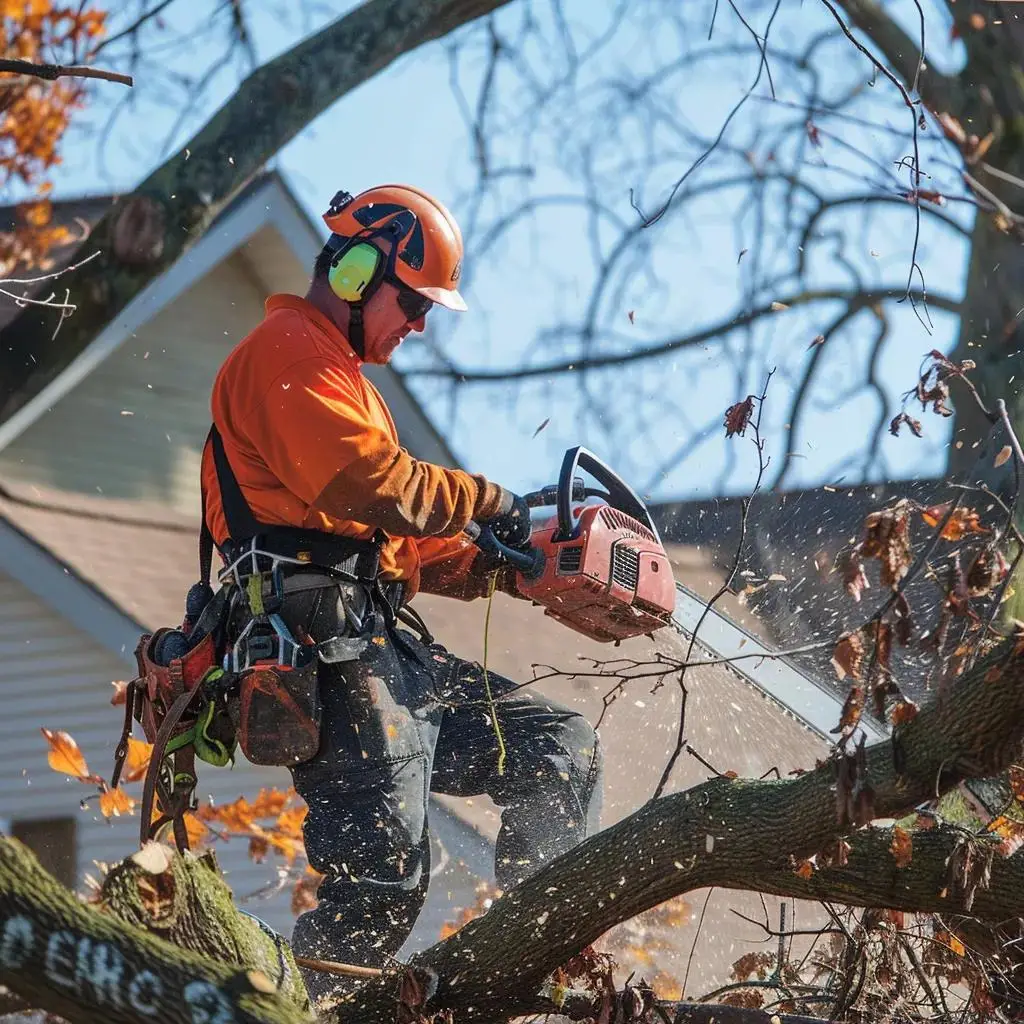
24/7 Local Emergency Tree Removal for Storm Damage
Each year, unexpected storms and frail trees pose a threat to homes and businesses, risking structural damage and personal injury. Our Swift and Trustworthy Local Emergency Tree Removal Services are on standby to tackle falling limbs, uprooted trunks, and hazardous trees, safeguarding your property and loved ones. This guide delves into what constitutes an emergency, how certified arborists ensure safety, the variety of services available, cost and insurance insights, proactive risk assessment tips, and why opting for a rapid-response team brings peace of mind from the first call to the final cleanup.
Understanding Emergency Tree Removal Services and When to Reach Out
Emergency tree removal services offer quick assessment, safe cutting, and debris clearance when a tree poses an immediate threat to people or property. By deploying trained crews and specialized equipment swiftly, these services avert further structural damage, electrical hazards, and injuries. For instance, when a thunderstorm sends a large limb crashing onto a garage, emergency removal restores safety and access, preventing further collapse.
Promptly calling for emergency removal is crucial when risk factors escalate. Recognizing these warning signs early ensures resident safety and sets the stage for professional intervention.
What Constitutes an Emergency Tree Removal?
An emergency removal is any situation where a tree or branch endangers life or critical infrastructure.
- Overhanging Limbs threatening roofs, vehicles, or power lines.
- Leaning Trunks uprooted by soil saturation or wind.
- Cracked or Split Trees showing signs of imminent collapse.
Each scenario demands immediate action to eliminate hazards and protect surroundings, transitioning to specialized storm-damage protocols in severe weather events.
Impact of Storm Damage on Tree Safety

Storms can weaken root systems, strip protective bark, and create internal fractures that compromise structural integrity. High winds generate torsional forces that snap branches or uproot entire trees, leading to sudden failures. Recognizing storm-compromised trees as emergency threats ensures prompt removal before hidden damage causes unexpected collapses during subsequent weather shifts.
When Is 24-Hour Emergency Tree Service Essential?
24-hour service is essential whenever public safety or property security is at risk after normal business hours. Fallen trees blocking driveways, ruptured limbs near power lines, and obscured evacuation routes all qualify for round-the-clock intervention. Immediate scheduling reduces downtime and reestablishes safe access for homeowners and emergency responders alike.
Risks of DIY Emergency Tree Removal
Attempting DIY removal introduces multiple hazards:
- Unstable Cuts can cause sudden tree shifts or branch snap-backs.
- Inadequate Equipment increases injury risk and property damage.
- Lack of Training leads to misjudging load points and failure zones.
Engaging professionals prevents these pitfalls, leveraging certified expertise and proven safety protocols to resolve emergencies without compounding risk.
Ensuring Safe and Expert Emergency Tree Removal with Certified Arborists
Certified arborists combine industry-recognized credentials with hands-on experience to manage high-risk removals. By following a structured assessment and execution framework, they safeguard crews and property while delivering efficient resolution of immediate threats.
The Role of ISA Certified Arborists in Emergency Services
ISA Certified Arborists bring validated knowledge of tree biology, hazard identification, and approved intervention techniques. They conduct rapid risk assessments, identify decay patterns, select proper rigging points, and oversee removal sequences that prevent collateral damage. Their credentials signal advanced training in emergency response and professional liability coverage, reinforcing trust from first contact through completion.
ISA Certified Arborists in Emergency Services
ISA Certified Arborists bring specialized knowledge of tree biology, hazard identification, and approved intervention techniques to emergency situations. They conduct rapid risk assessments, identify decay patterns, and oversee removal sequences to prevent collateral damage. Their credentials signal advanced training and professional liability coverage.
This citation reinforces the importance of certified arborists and their role in ensuring safe and effective emergency tree removal services.
Safety Protocols in Emergency Tree Removal

Emergency crews adhere to OSHA and industry-specific standards, including:
- Site Stabilization with barricades and exclusion zones.
- Personal Protective Equipment (helmets, chaps, eye and hearing protection).
- Rigging and Lowering Techniques using approved ropes and hardware.
Emergency Tree Removal Safety Protocols
Emergency tree removal services adhere to strict safety protocols, including site stabilization with barricades and exclusion zones, the use of personal protective equipment (PPE) such as helmets and eye protection, and the implementation of approved rigging and lowering techniques. These measures are crucial to reduce on-site hazards and ensure controlled removal sequences.
This citation supports the article’s emphasis on safety standards followed during emergency tree removal.
Specialized Equipment for Complex Tree Removals
Certified arborists deploy advanced machinery for challenging emergencies:
| Equipment | Attribute | Value |
|---|---|---|
| Crane | Lifting Capacity | Up to 50 tons for large-trunk removals |
| Bucket Truck | Height Reach | 60–80 feet for high canopy access |
| Chainsaw | Bar Length | 18–36 inches for thick trunk cuts |
This specialized fleet enables safe dismantling of massive trees, even in confined spaces, and transitions seamlessly into thorough debris clearance.
Professional Cleanup After Tree Removal
After removing hazardous limbs or trunks, crews sort, chip, and haul debris to restore the site to pre-incident condition. Mulching leftover branches returns organic material to the community, and final site grading prevents erosion. Complete cleanup eliminates hidden trip hazards and signs of storm damage, leaving landscapes safe and tidy.
Local Emergency Tree Removal Services Available
Local providers maintain specialty teams for varied emergency scenarios, ensuring the right expertise and equipment are available whenever disaster strikes.
Storm-Damaged Tree Removal Process
Storm-damaged trees undergo a four-step process: assessment of structural compromise, sectional dismantling from crown to base, secure lowering using ropes or cranes, and immediate debris management. This sequence protects surrounding structures and prevents wind-thrown fragments from impacting property during removal.
Steps for Fallen Tree Removal Near You
Fallen tree removal follows these stages:
- Site Examination for root-plate stability.
- Hazard Mitigation by isolating power lines and traffic routes.
- Sectional Cutting to manageable pieces.
- Debris Extraction using skid steers or chip trucks.
Swift execution restores access and reduces trip hazards, enabling residents to resume normal routines quickly.
Safe Handling of Hazardous Tree Removal
Removing diseased, decayed, or structurally unsound trees begins with detailed decay mapping and resistograph testing to pinpoint weak zones. Arborists then apply incremental loading techniques—cutting small sections, rigging lines, and controlling descent—to eliminate unpredictability and prevent uncontrolled collapse.
Expectations from Tree on House Removal Services
When a tree impacts a structure, emergency crews stabilize the vehicle or building, secure the tree with rigging to prevent further damage, and carefully dismantle from the rooftop downward. After removal, technicians perform temporary roof tarping and coordinate with insurance adjusters to minimize homeowner disruption.
Cost and Insurance for Emergency Tree Removal
Emergency removal pricing varies based on risk factors, equipment needs, and disposal requirements, while insurance coverage depends on policy specifics and documented damages.
Factors Influencing Emergency Tree Removal Pricing
Emergency removal cost factors include:
| Entity | Attribute | Value |
|---|---|---|
| Tree Size | Diameter & Height | Larger trees require more labor and equipment |
| Location Accessibility | Urban vs. Rural | Tight spaces increase setup time |
| Urgency | After-hours vs. Standard | Night and weekend calls incur premiums |
| Debris Disposal | Volume & Distance | Transport fees depend on haul distance |
Homeowner Insurance and Emergency Tree Removal
Many homeowner policies cover emergency removal when trees strike insured structures or threaten life safety. Coverage often includes tree removal, debris cleanup, and temporary repairs. Policyholders should verify limits, deductibles, and required documentation with their insurer to confirm eligibilities.
Filing Insurance Claims for Tree Damage
Filing a claim involves documenting pre- and post-incident tree condition, providing crew reports, photos of damage, and an itemized invoice. The insurer dispatches an adjuster to verify listings; once approved, claims are settled directly with certified arborists to streamline cost recovery and minimize out-of-pocket expenses.
Common Questions About Emergency Tree Removal Costs
Residents frequently ask about average rates, hidden fees, and payment options. Understanding a provider’s estimate process—whether flat-rate or per-hour—helps anticipate charges. Bundled services, such as tarping and minor repairs, may be included in comprehensive packages to reduce overall expense.
Proactively Assessing Tree Risks to Prevent Emergencies
Regular monitoring and maintenance slash the likelihood of sudden failures by identifying weakness before it becomes critical.
Signs You Need Emergency Tree Removal
Key indicators include:
- Visible Decay around trunk or root collar.
- Multiple Limb Failures during moderate winds.
- Mushroom Fruiting Bodies at the base indicating internal rot.
Spotting these signs early guides timely removal and replaces hazards with healthy replacements.
Reducing Storm Damage Risks with Preventative Tree Care
Preventative measures—such as crown thinning, selective pruning, and strategic cabling—balance canopy weight and decrease wind resistance. Routine health assessments by arborists address disease, pest infestation, and soil compaction to preserve structural integrity over time.
Local Tree Health Assessment Services
Local specialists provide soil analysis, resistograph decay testing, aerial drone inspections, and root zone aeration to evaluate tree vitality. These services detect hidden hazards and inform tailored maintenance plans, enhancing long-term safety.
Impact of Local Tree Species and Regulations on Emergency Services
Regional ordinances dictate protected species, permit requirements, and debris disposal mandates. Knowledge of local oak wilt zones or protected heritage trees ensures compliance while executing emergency removals, speeding approvals and preventing legal delays.
Why Choose Our Swift and Trustworthy Local Emergency Tree Removal Service?
Our rapid-response team combines certified expertise, 24/7 availability, and insurance support to deliver unmatched emergency removal solutions.
Benefits of Our 24/7 Rapid Response
With crews on standby around the clock, response times average under 60 minutes for urgent scenarios. Fast mobilization prevents further storm damage, minimizes downtime, and reassures homeowners during off-hour crises.
Expertise of Our Certified Arborists
Our ISA Certified Arborists average 10+ years in emergency removal, employing advanced decay-assessment tools and precision rigging to dismantle hazards without collateral impact. Their ongoing training in industry standards elevates safety and performance.
Supporting Insurance Claims and Billing
We prepare detailed reports, documented work orders, and direct-bill options to simplify claim processing. Our partnerships with major insurers ensure seamless coordination, letting customers focus on recovery instead of paperwork.
Customer Feedback on Our Emergency Tree Removal
Local homeowners praise our punctual arrival, clear communication, and meticulous cleanup, often citing “zero damage” results and “stress-free” experiences. Positive reviews highlight trust built through consistent performance under pressure.
Frequently Asked Questions About Emergency Tree Removal
Below are concise, featured-snippet-formatted responses to top inquiries.
Scheduling Emergency Tree Removal
Emergency crews can be on-site within 60 minutes of the initial call and complete scheduling details en route, ensuring prompt hazard mitigation.
Safety of Emergency Tree Removal for Properties
Yes, professionals follow certified safety protocols and use engineered rigging techniques to protect structures, equipment, and occupants across all property types.
Equipment for Large or Dangerous Tree Removals
A combination of cranes, bucket trucks, chippers, and high-capacity chainsaws enables safe dismantling of oversized or precariously positioned trees without compromising stability.
Weather Conditions and Emergency Tree Removal Services
Severe wind, lightning, and saturated soil can delay aerial lifts and crane operations. Technicians monitor forecasts and adjust removal strategies to maintain safety under varying environmental factors.
After assessing risk factors and hazards, expert removal teams apply proven methods to secure sites, protect property, and restore safety. From immediate storm response to proactive health evaluations, local residents benefit from 24/7 availability, certified expertise, and streamlined insurance support—ensuring every tree emergency is resolved with speed and precision.
For same-day estimates and rapid dispatch, explore our Swift and Trustworthy Local Emergency Tree Removal Services or request assistance via our online contact form: https://www.vbtreeremoval.com/lead-collection-2