Article: Native Tree Species in Volusia You Should Know: A Homeowner’s Essential Guide
Volusia County’s landscapes thrive on a foundation of native tree species that enhance property value, support wildlife, and reduce maintenance costs. Homeowners seeking sustainable shade, storm resilience, and compliance with local regulations need clear guidance on selecting and caring for these cornerstone plants. This guide covers the most common native species, ecological and economic benefits, invasive-tree management, permitting requirements, and professional services—empowering you to create a healthy, native canopy around your home.
What Are the Most Common Native Trees in Volusia County?
Native trees in Volusia County define local ecosystems and offer climate-adapted performance in home landscapes. By choosing species indigenous to this region, homeowners leverage deep root systems that improve soil stability, conserve water, and reduce nutrient requirements. For example, Live Oak, Longleaf Pine, and Bald Cypress establish diverse canopies that support wildlife and withstand storms.
Volusia County’s landscape features several native species that shape its ecological identity:
- Live Oak (Quercus virginiana) → Broad, evergreen canopy → Provides reliable shade and wind resistance
- Longleaf Pine (Pinus palustris) → Fire-adapted pine needles → Promotes undergrowth diversity and drought tolerance
- Bald Cypress (Taxodium distichum) → Buttressed trunk and “knees” → Thrives in wet soils and stabilizes stream banks
These three species serve as the backbone of sustainable landscaping in Volusia, leading us into their individual characteristics and growth requirements.
Which Characteristics Identify Volusia’s Live Oak Trees?
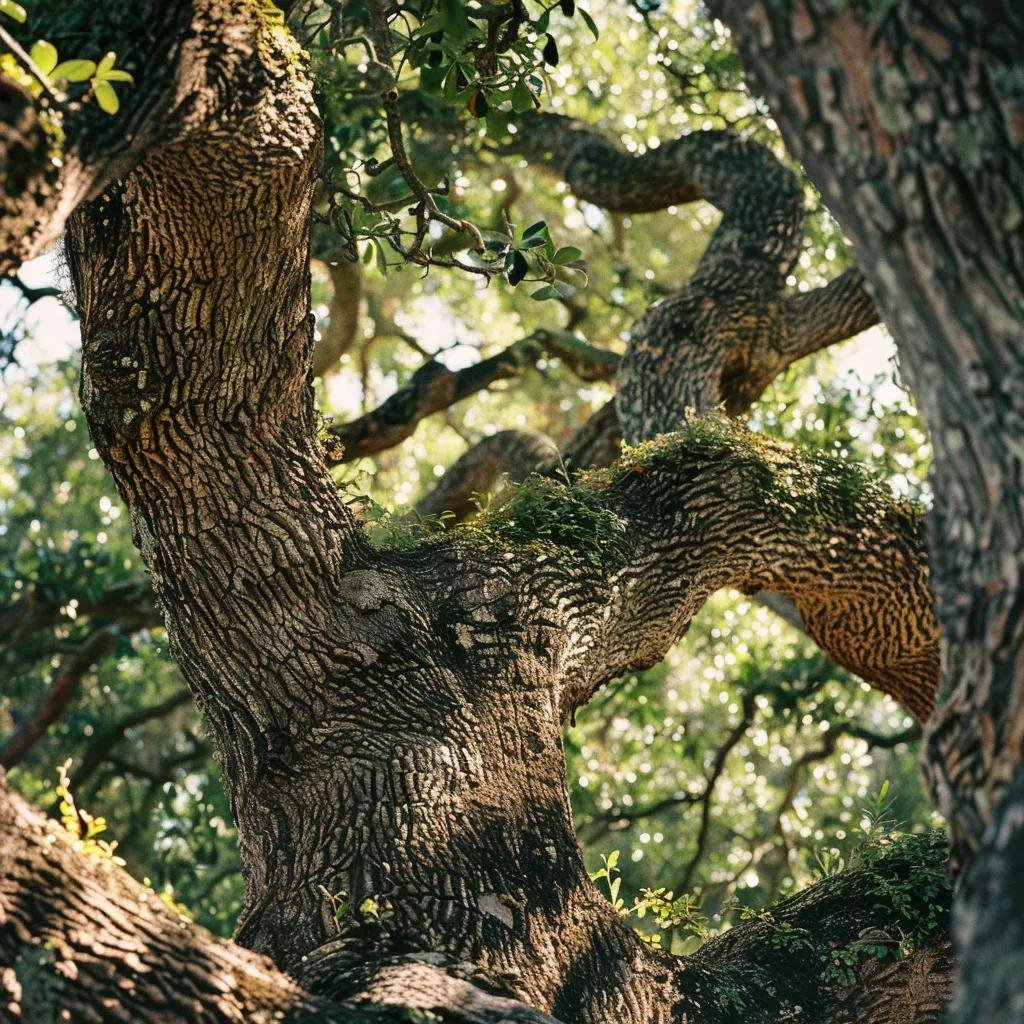
Live Oak is an evergreen oak with a sprawling canopy that can exceed 60 feet in width. Its leathery, obovate leaves retain moisture and cast dense shade, reducing lawn irrigation needs. Mature bark displays deep furrows that resist storm damage. For instance, a ten-year-old Live Oak can support temperatures above 100 °F without leaf scorch, making it a reliable shade provider for patios and driveways.
Why Is the Longleaf Pine Important for Volusia Landscapes?
Longleaf Pine is a pioneer species whose deep taproot enhances drought resilience and nutrient uptake. Its long needles create a low-fuel groundcover that reduces wildfire risk, while its open canopy permits understory wildflowers. In coastal areas, Longleaf Pine populations have demonstrated superior salt-spray tolerance, improving landscape survival near barrier islands.
How Does the Bald Cypress Thrive in Volusia Wetlands?
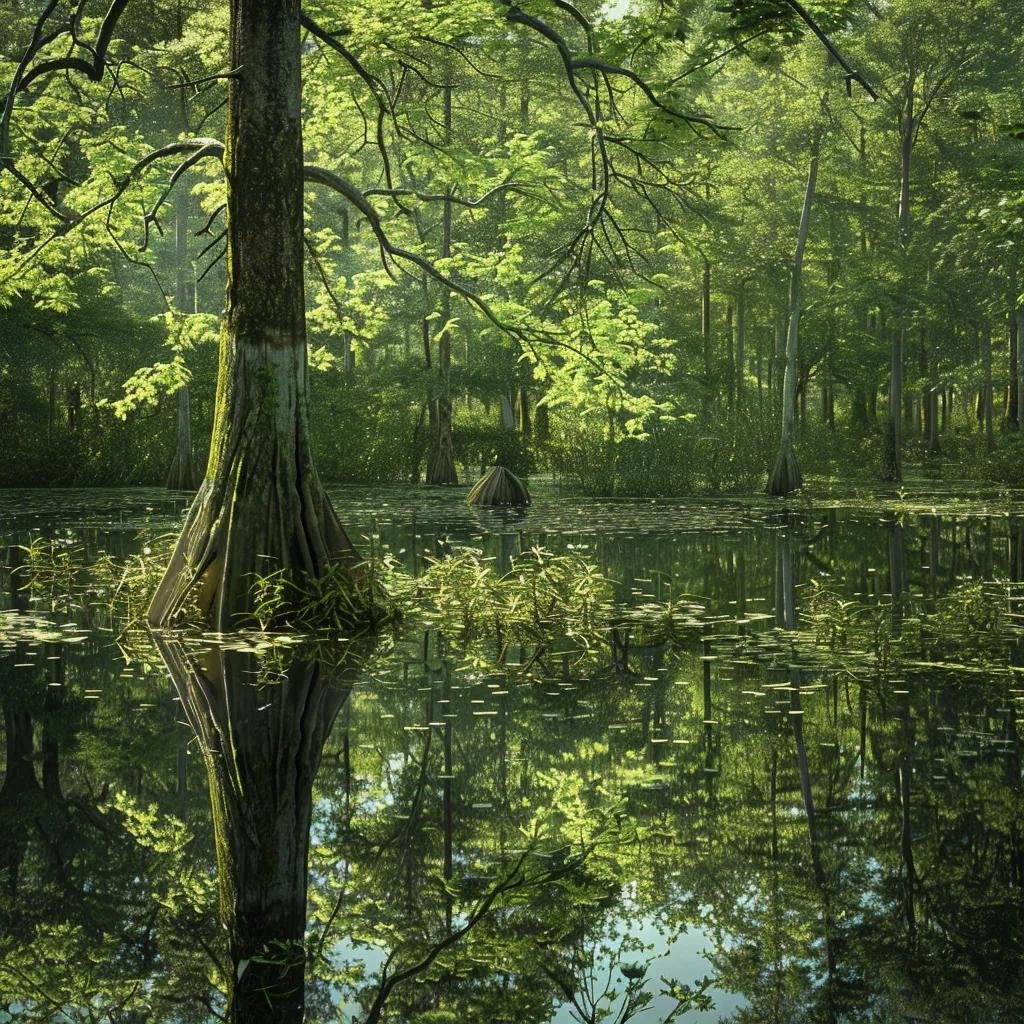
Bald Cypress is a deciduous conifer that adapts to waterlogged soils through pneumatophores (“knees”) for oxygen exchange. Its flared base resists uprooting during floods. Fall foliage turns rich russet, adding seasonal interest to wetland edges and retention ponds. By stabilizing shorelines, Bald Cypress prevents erosion and enhances aquatic habitat quality.
Why Should Homeowners Choose Native Trees in Volusia?
Native trees belong to the local flora and deliver unmatched environmental performance in Volusia’s sandy soils and humid subtropical climate. They require less supplemental irrigation and fertilizer, reducing maintenance costs. For example, replacing an ornamental maple with a native Live Oak can cut annual water use by 30%.
Key environmental and economic benefits include:
- Enhanced soil health through leaf litter decomposition that returns nutrients.
- Improved water conservation due to deep root systems that access groundwater.
- Reduced chemical inputs as native species resist local pests and diseases.
Soil Health and Water Conservation with Native Trees
Native trees enhance soil health through leaf litter decomposition, which returns nutrients to the soil. Their deep root systems also improve water conservation by accessing groundwater more efficiently, reducing the need for supplemental irrigation.
This citation reinforces the article’s points about the positive impacts of native trees on soil health and water conservation, highlighting their role in sustainable landscaping practices.
These benefits translate into lower upkeep for homeowners and healthier neighborhood ecosystems.
What Are the Environmental Benefits of Native Trees?
Native trees sequester carbon at high rates, filter stormwater, and prevent soil erosion.
Benefits of Native Trees in Urban Landscapes
Native trees offer significant environmental benefits, including improved air quality and stormwater management. They also support local wildlife by providing essential habitat and food sources, contributing to biodiversity within urban ecosystems.
This research supports the article’s claims about the environmental advantages of native trees, specifically their role in improving air quality and supporting wildlife.
By absorbing 1 ton of CO₂ per tree over 20 years, species like Longleaf Pine improve air quality. Their root networks trap sediment, reducing nutrient runoff into estuaries and preserving water clarity.
How Do Native Trees Support Local Wildlife and Biodiversity?
Native canopies offer essential habitat, food, and nesting sites for dozens of species. Live Oaks host up to 500 insect species that feed songbirds. Bald Cypress wetlands attract wading birds and amphibians. These relationships sustain pollinators and game species, enhancing backyard wildlife viewing and ecological balance.
Can Native Trees Improve Property Value and Landscape Sustainability?
Properties with mature native trees can command 5–15% higher resale values due to shade, privacy, and curb appeal. Well-maintained native specimens demonstrate environmental stewardship, attract eco-conscious buyers, and reduce long-term landscape costs through lower water and chemical needs.
How Can You Identify and Manage Invasive Trees in Volusia County?
Invasive trees outcompete native species, disrupt habitats, and complicate maintenance. Early detection and removal of Brazilian Pepper and Australian Pine prevent dense monocultures that degrade forest understories. Homeowners can reclaim landscape balance by recognizing invasive traits and applying targeted management.
Volusia’s two most aggressive invasives are:
| Species | Key Feature | Identification Tip |
|---|---|---|
| Brazilian Pepper | Clusters of red berries | Leaves in alternate pairs with winged stems |
| Australian Pine | Needle-like branchlets | Cone-shaped canopy and slender grey bark |
These identification markers guide property owners in distinguishing invasives from natives and planning removal strategies.
What Are Safe Removal Methods for Invasive Trees?
Mechanical cutting at ground level stops seed spread, while targeted herbicide application on cut stumps prevents resprouting. For large stands, root excavation combined with follow-up treatments ensures invasive control. Mechanical methods alone can leave viable roots, so integrated approaches deliver lasting results.
Why Is Professional Invasive Tree Removal Recommended in Volusia?
Professional removal teams reduce liability, protect surrounding vegetation, and ensure compliance with local regulations. Collaborating with licensed experts prevents soil disturbance in conservation areas and avoids fines. For reliable service, consult the seasoned Daytona Beach tree service experts who specialize in Volusia County invasive tree control.
What Are the Volusia County Tree Removal Permits and Regulations?
Volusia County enforces a Tree Preservation Ordinance that defines permit triggers and replacement mandates. Homeowners must navigate requirements to remove specimen trees and comply with native species replanting regulations.
| Entity | Requirement | Replacement Mandate |
|---|---|---|
| Specimen tree (>30 in. circumference) | Permit from Environmental Management Division | One native tree per inch of removed trunk girth |
| Wetland buffer tree | Mandatory permit and mitigation plan | Two native saplings for each large tree removed |
| Historic live oak | Special permit with arborist evaluation | Preservation or equivalent native planting |
When Do You Need a Permit to Remove Trees in Volusia?
A removal permit is required for any tree exceeding 12 inches in diameter at breast height, trees within 25 feet of wetlands, and all historic Live Oaks. Permits ensure removal plans include native replacements and protect critical habitats.
What Are the Replacement Requirements for Removed Trees?
Homeowners must replace removed trees with native species at a ratio of one inch of trunk circumference per new tree for standard removals. Wetland buffer removals require two native saplings per large tree to restore riparian functions.
Native Tree Species in Volusia County: A Homeowner’s Essential Guide
Certified arborists deliver specialized care that supports healthy growth and longevity of native specimens. From planting nursery-stock Live Oaks to performing structural pruning on Bald Cypress, professional services enhance landscape performance and safety.
Essential tree care offerings include:
- Site assessment → Soil analysis and species selection
- Planting service → Proper root-ball handling and mulching
- Structural pruning → Canopy shaping for wind resistance
These services foster vigorous growth and prevent hazards, ensuring natives thrive in home landscapes.
What Tree Care Services Support Healthy Native Tree Growth?
Fertilization programs tailored to sandy soils, structural pruning that shapes young trees, and mulching that conserves moisture all contribute to robust canopies. Integrated pest management further protects against local diseases without harming beneficial insects.
How Do Emergency Tree Services Protect Volusia Homeowners?
Storm-damage response teams conduct hazard assessments, remove fallen limbs, and stabilize compromised trees. Rapid action reduces property damage and restores landscape safety following hurricanes and severe weather events.
Where Can You Find Expert Native Tree Planting and Removal Services?
Homeowners in Volusia County can rely on Orlando Tree Removal (orlando-tree-removal.com) for ISA-certified arborists, licensed crews, and comprehensive native tree solutions. Schedule a free consultation to explore planting options, removal services, and long-term maintenance plans today.
Planting native trees improves ecosystem health, reduces long-term costs, and enhances property value. By following local regulations and partnering with experienced professionals, Volusia homeowners foster resilient, beautiful landscapes that stand the test of time.
At Volusia Bobcat & Tree Service, we pride ourselves on being an affordable tree service that never cuts corners. We provide honest pricing, safe practices, and reliable results backed by years of experience. Whether you’re looking for tree care, maintenance, or expert removals, our professional crew ensures your property looks its best. Don’t settle for less — call today for a free estimate and see why we’re the top tree service across Volusia, Daytona Beach, Port Orange, Ormond Beach, and beyond.