10 Key Signs That Indicate a Tree is at Risk of Falling
10 Key Signs Your Tree May Be at Risk of Falling Soon: How to Identify Dangerous Trees Early
Is your oak or palm leaning closer to your home? Early detection of what are the signs that indicate a tree is at risk of falling can prevent property damage and injury. In this guide, an ISA-certified arborist explains ten warning signals—ranging from trunk cracks and decay to pest infestation and structural defects—and outlines when to call Orlando Tree Removal for a free Hazardous Tree Assessment. You will learn how to recognize structural faults, bark and foliage cues, root and lean issues, pest or disease indicators, and the steps to protect your property.
10 Warning Signs Your Tree Is at Risk of Falling
A tree at risk of falling shows structural compromise that reduces its ability to support weight under wind or gravity, such as splits, decay, or root damage. For example, a deep vertical crack in a trunk often widens under stress, signaling an imminent failure. Recognizing these core defects lays the groundwork for spotting subtler bark and foliage clues.
How Do Visible Cracks or Splits in the Trunk or Branches Signal Tree Danger?
Visible cracks or splits reveal internal structural weakness by allowing stress points where wood fibers separate, cutting load capacity and creating fracture zones.
- Radial cracks—run from pith to bark, often in older trees
- Longitudinal splits—follow grain lines under tension
- Branch collar splits—occur where heavy limbs attach
Detecting these flaws early helps homeowners decide if immediate professional assessment is required.
Why Is Extensive Decay or Cavities a Critical Warning Sign?

Decay or cavities develop when fungi or bacteria consume wood, hollowing the trunk and undermining support. Tapping a hollow-sounding section or finding crumbly, soft wood indicates advanced rot that cannot bear normal loads.
- Soft, spongy wood under bark
- Hollow rings when tapped with a mallet
- Cavities large enough to trap rainwater
Spotting active decay next leads to checking for mushroom conks or other fungal fruiting bodies.
How Can a Leaning Tree or Heaving Soil Around the Base Indicate Instability?
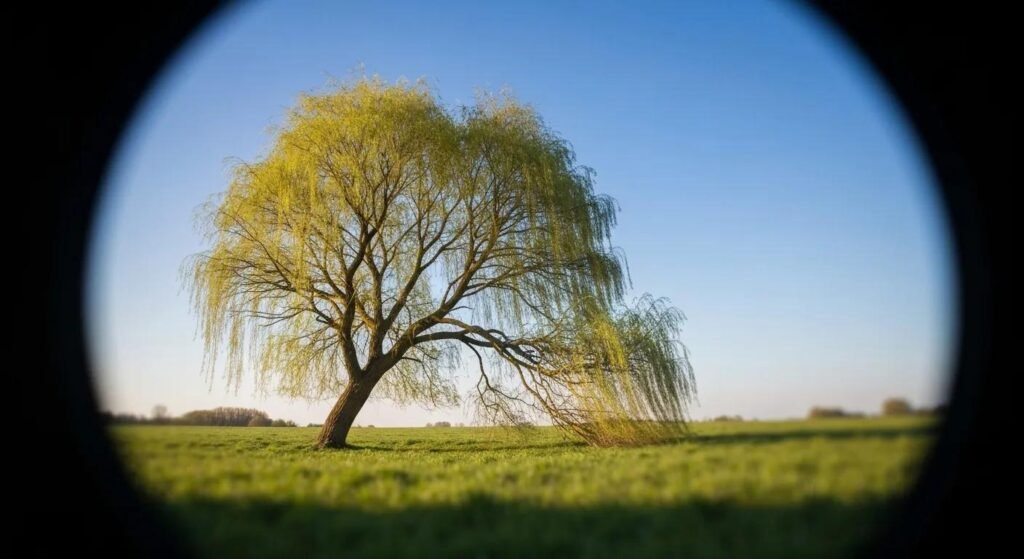
A sudden lean or raised soil indicates root-plate shifting from root loss, soil expansion, or root rot, which diminishes anchorage.
- Lean angle greater than 15° from vertical
- Soil heaving or mounding around the trunk
- Exposed or torn roots at the base
Noting these signs early allows for a root-plate evaluation before the tree snaps free.
What Does the Presence of Dead or Dying Branches Reveal About Tree Health?
Dead or dying branches—widowmakers—result from nutrient disruption, drought stress, or pathogen attack, creating falling hazards.
- Brittle, leafless branches in canopy
- Hanging twigs and small limbs
- Color shifts from green to gray or brown
Removing these hazards prevents branch failures that can injure people or damage objects below.
How Do Fungal Fruiting Bodies Like Mushrooms or Conks Indicate Internal Decay?
Fungal brackets or mushrooms emerge where mycelium breaks down cellulose and lignin, exposing internal rot. Look for:
- Conks near root flare or trunk base
- Mushrooms inside cavities or pruning wounds
- Velvet-like mats under loose bark
These fruiting bodies map the location of internal decay and guide targeted risk assessments.
How Do Bark and Foliage Conditions Help Identify Trees at Risk of Falling?
Bark and foliage reflect vascular health because stresses from disease, pests, or root damage interrupt nutrient flow, weakening branches and trunk. Observing bark texture and leaf vitality reveals early signs of decline before structural defects appear.
What Bark Issues Such as Peeling, Flaking, or Missing Bark Suggest Tree Problems?
Peeling or missing bark exposes vulnerable wood to pests and decay, often indicating disease or mechanical injury.
- Vertical peeling strips on trunk
- Flaking patches revealing soft cambium
- Scars or missing sections from past wounds
These symptoms warrant a closer inspection for underlying pathogens or wood-boring insects.
How Do Sparse Foliage, Discolored Leaves, or Premature Leaf Drop Signal Tree Stress?
Sparse leaf cover, yellowing or browning, and early leaf loss result from nutrient deficiencies, root damage, or vascular disease.
- Thin canopy compared to neighboring trees
- Leaves with chlorosis or necrosis
- Heavy leaf drop before autumn
Noting these foliage cues helps pinpoint when a tree’s health decline may lead to structural failure.
What Structural Defects Should Homeowners Watch for to Prevent Tree Failure?
Structural defects concentrate stress and create break points that magnify under load, making even healthy wood prone to failure. Identifying included bark, weak unions, or multiple trunks reveals hidden hazards near homes.
Why Are Weak Branch Unions and Included Bark Dangerous for Tree Stability?
Weak unions form V-shaped forks where bark grows inward instead of joining wood, preventing proper interlock and reducing joint strength.
- Narrow, pointed branch angles
- Bark thickness protruding between trunks or limbs
- Visible seams or cracks at the union
Addressing these defects through pruning or bracing restores load distribution.
How Do Multiple Trunks or Poor Tree Form Increase the Risk of Falling?
Multiple trunks diverge without a strong central leader, causing stress concentrations and potential separation under wind or ice loading.
- Forked trunks without a dominant leader
- Cracks or seams at trunk crotches
- Uneven weight distribution across trunks
Corrective pruning can establish a stable form and reduce failure risk.
How Can Pest Infestations and Local Florida Tree Diseases Increase Tree Fall Risk?
Insects and pathogens invade wood, vascular tissue, or roots, accelerating decay and weakening structural integrity from the inside out.
What Are the Signs of Common Florida Tree Pests That Threaten Tree Stability?
Florida trees face borers and sap-sucking insects that tunnel into wood or girdle vessels, causing branch dieback and decay.
| Pest | Sign | Risk |
|---|---|---|
| Emerald Ash Borer | D-shaped exit holes | Trunk weakening |
| Wood-boring beetles | Sawdust-like frass piles | Inner wood galleries |
| Aphids and whiteflies | Sticky honeydew on bark | Leaf and branch stress |
How Do Diseases Like Laurel Wilt and Ganoderma Butt Rot Affect Tree Safety?
Pathogens such as Raffaelea lauricola and Ganoderma species invade vascular tissue or butt wood, reducing water transport and creating hollow zones.
| Disease | Symptom | Impact |
|---|---|---|
| Laurel Wilt | Rapid leaf wilt and branch dieback | Whole-tree decline within weeks |
| Ganoderma Butt Rot | Shelf-like conks at root flare | Base decay and sudden failure |
What Steps Should You Take If You Notice These Hazardous Tree Signs?
Taking prompt action upon seeing any warning sign minimizes the chance of collapse and protects life and property.
When Is It Crucial to Contact a Certified Arborist for Tree Risk Assessment?
Call an ISA- or TRAQ-certified arborist when defects appear on trees near structures, vehicles, or power lines. Expert risk evaluations follow ANSI A300 Part 9 standards to determine probability and consequence of failure. For emergency removal guidance, review our detailed resource on emergency removal risks and top solutions.
ISA-Certified Arborist
An ISA-certified arborist can provide a professional tree risk assessment, which is a systematic process to identify, analyze, and evaluate tree risk [24]. These assessments follow the ANSI A300 Part 9 standards [11, 25].
This citation supports the article’s recommendation to contact a certified arborist for a hazardous tree assessment.
How Does Professional Hazardous Tree Removal Protect Your Property and Safety?
Professional removal employs rigging, aerial lifts, and controlled cutting to dismantle unstable trees in sections, preventing uncontrolled falls. Certified crews follow safety protocols, secure permits, and haul debris, ensuring a clean, hazard-free site and peace of mind for homeowners.
Orlando homeowners who act on these signs safeguard their families, landscapes, and investments. Proactive assessments by ISA-certified arborists reduce tree-related damage by up to 90 percent. If you spot any warning signals, request a free Hazardous Tree Assessment from Orlando Tree Removal to protect your property today.