What Affects Tree Trimming Prices in Orlando? Essential Factors You Should Know About Tree Trimming Cost
Tree trimming prices reflect a mix of measurable factors—size, species, condition, access, and extra services—that combine to determine the final cost a homeowner sees on a quote. Understanding what influences the cost of tree trimming services in Orlando lets homeowners estimate the average cost to trim a tree in Orlando, plan for permit fees, and avoid surprise charges when scheduling professional pruning. This article explains how tree size and trunk diameter change labor and equipment needs, why species such as oak and palm drive different trimming approaches, and how health or hazardous conditions increase complexity and liability. You will also learn how location and accessibility—especially proximity to power lines and structures—raise price through safety protocols and specialized gear. Finally, we cover common add-on fees like debris removal, stump grinding, hauling, and when permits apply in Orlando or Orange County. Read on for concise EAV tables, practical lists of cost drivers, and local guidance to help you get accurate estimates from licensed arborists and tree care providers.
How Does Tree Size Influence Tree Trimming Costs in Orlando?
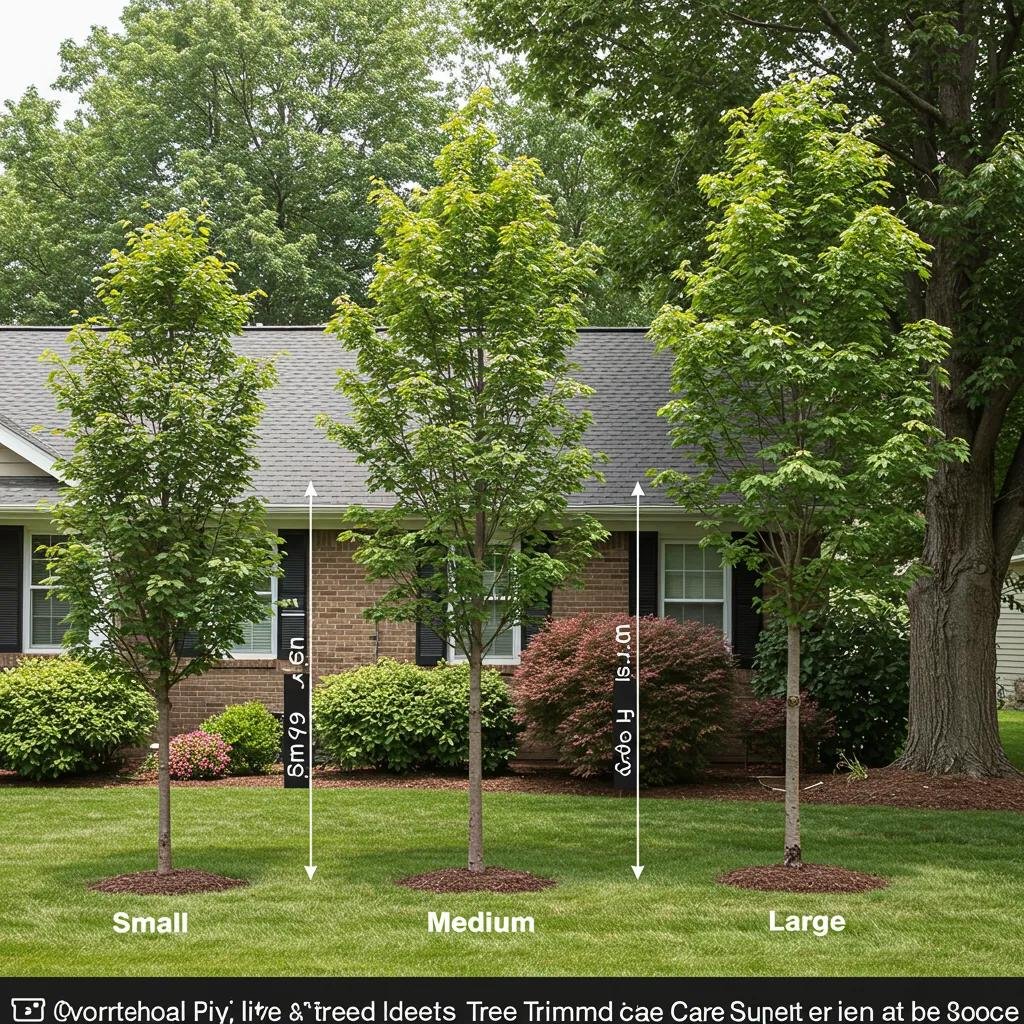
Tree size is a primary cost driver because height and trunk diameter directly increase labor hours, require larger equipment, and raise risk levels. Taller trees often need aerial access like bucket trucks or cranes, while wide-diameter trunks mean heavier limbs and slower, staged cutting and lowering. The direct benefit for homeowners of understanding size categories is clearer budgeting and more accurate comparisons between quotes. Below, a compact reference table shows typical Orlando ranges by size to aid quick estimates and featured-snippet style clarity.
What Are the Average Costs for Small, Medium, and Large Trees?
This table summarizes common Orlando cost brackets by size category to give homeowners a quick reference when asking “how much does tree service cost Orlando.”
| Tree Size Category | Typical Height / Diameter | Average Orlando Cost Range |
|---|---|---|
| Small | Under 30 ft | $150 – $400 |
| Medium | 30–60 ft | $300 – $700 |
| Large | Over 60 ft | $600 – $1,500+ |
Why Do Tree Height and Diameter Affect Pricing?
Height and diameter increase time-on-task because cutting, rigging, and debris handling scale with canopy mass and limb weight. Taller trees mean more setup for aerial lifts, longer rope-lowering operations, and sometimes traffic or pedestrian control. Larger diameters require incremental cutting due to weight and safety, which slows crews and increases labor costs. That mechanical and logistical scaling explains why a large oak can cost several times more to trim than a small yard palm.
How Does Tree Location Impact Size-Related Costs?
A large tree in a confined setback near a house demands extra rigging, protective pads, and careful sectional lowering to avoid property damage, which raises price. Conversely, the same-sized tree in the middle of an open yard is faster to service with fewer protective measures. Location interacts with size because larger trees near structures often require additional personnel, traffic control, and sometimes specialized equipment to stage and remove large sections safely.
How Do Tree Species Affect Tree Trimming Prices in Orlando?
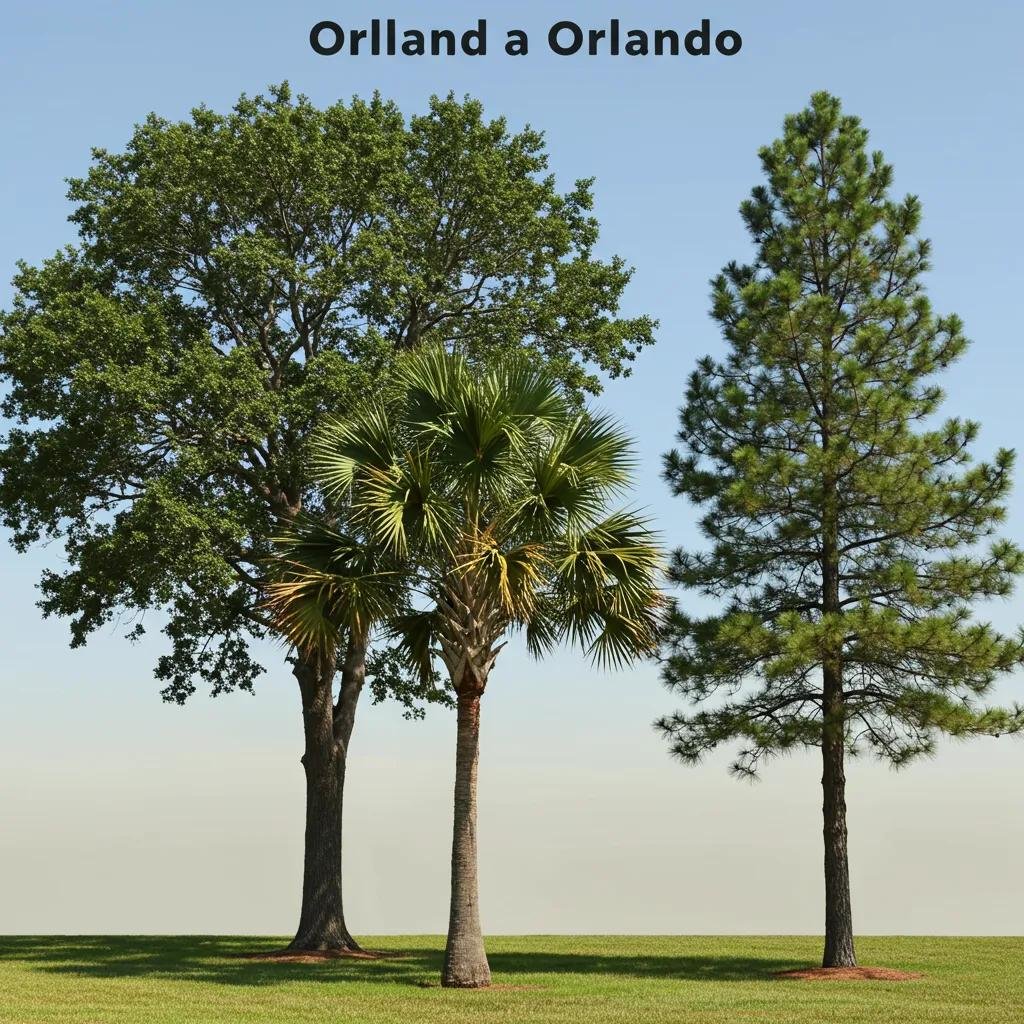
Species matter because wood density, limb architecture, and typical height change technique, time, and disposal volume. Different species are hyponyms of broader tree care services and require species-specific approaches such as palm tree trimming techniques versus hardwood pruning. Recognizing species-driven cost differences helps homeowners ask the right questions about equipment and safety when comparing Orlando tree trimming cost factors. The short EAV table below compares common local species and their typical impact on price.
What Are the Cost Differences for Common Orlando Trees Like Oaks, Palms, and Pines?
| Tree Species | Trimming Difficulty / Risk | Cost Implication / Equipment |
|---|---|---|
| Oak | Heavy limbs, dense canopy | Higher labor; slower cuts; aerial equipment |
| Palm | Frond volume, fibered bases | Specialized climbing; higher disposal volume |
| Pine | Tall, brittle limbs | Moderate difficulty; careful debris handling |
Why Are Palm Tree Trimming Prices Different from Other Species?
Palms are distinct because they produce large volumes of fronds and fruiting material that require repeated hauling and green-waste handling. Palm tree trimming often uses specialized climbing techniques and hand-pruning that maintain the crown while managing a heavy disposal load. Disposal rules and haul volume increase time-on-site and can add per-load fees; that combination makes the cost of palm tree trimming in Orlando behave differently than standard hardwood pruning.
How Does Tree Species Influence Trimming Complexity and Safety?
Certain species increase fall risk or need special rigging due to brittle wood, internal rot, or dense branching that hides hazards like nests. Species-specific pests or diseases may change a planned trim into a partial removal, affecting liability and insurance considerations. For that reason, licensed arborists and arboriculture services are recommended when species traits suggest elevated safety measures.
What Role Does Tree Health and Condition Play in Trimming Prices?
Tree health affects cost because disease, decay, and structural defects require slower, more careful work, additional rigging, and sometimes staged removals. Diseased or damaged trees increase liability and may necessitate insurance coordination or specialist equipment such as winches and cranes. Identifying health-related price drivers helps homeowners prioritize inspections and make informed decisions about removal versus corrective pruning.
How Do Diseased or Damaged Trees Increase Trimming Costs?
Unstable trees demand more hands, more rigging, and slower cutting to prevent accidental collapse. For example, a hollowed oak requires staged lowering of sections to avoid breakaway failures, turning a routine trim into a near-removal operation. Disposal and potential pathogen containment can add fees, and crews may recommend removal instead of trimming to protect property and neighbors.
What Signs Indicate a Tree Is Hazardous or Requires Special Care?
Homeowners should watch for visible indicators that raise cost and safety needs: large cracks in the trunk, extensive fungal fruiting bodies, leaning beyond root support, widespread dieback, root heave or soil movement, and loose or suspended dead limbs. When these signs appear, scheduling an arborist inspection is wise because the next step often shifts scope from pruning to mitigation or removal.
How Does Tree Health Affect Safety and Equipment Needs?
Poor tree condition frequently triggers the use of cranes, extra rigging, or utility coordination to manage risk, all of which increase hourly rates and mobilization costs. Health issues can also mean permits or utility company involvement when work is near service lines. Understanding these escalation paths helps homeowners weigh trimming against removal and budget accordingly.
How Do Location and Accessibility Affect Tree Trimming Prices in Orlando?
Access and site constraints alter pricing because they determine whether crews can use mechanical lifts or must perform manual lowering and haul material by hand. Proximity to power lines, narrow gates, steep terrain, and nearby structures each add discrete time and equipment charges. Clear awareness of access scenarios reduces surprises and helps homeowners plan staging and permit needs before work begins.
Why Does Proximity to Power Lines or Structures Increase Costs?
Working near power lines requires line-clearance safety measures, certified crews, and often coordination with utility providers, which increases labor and liability exposure. Extra spotters, insulating gear, and possible temporary de-energizing procedures add cost and scheduling complexity. When structures are nearby, protective measures such as roof protection and soft-landing zones further increase time and material costs.
How Does Difficult Access Impact Labor and Equipment Expenses?
Tight rear yards, narrow gates, or fenced properties force manual lowering, additional crew members, and more time to move equipment, which raises the labor component of quotes. Transporting a stump grinder or bucket truck through limited access may require smaller machines or longer setup, so accessibility directly increases both labor hours and equipment charges. These constraints also slow debris removal and staging.
What Are the Additional Costs for Emergency or Urgent Tree Trimming Services?
Emergency tree service pricing often includes an off-hours or rapid-response premium to cover immediate mobilization and riskier conditions. Providers may charge higher hourly rates or a flat mobilization fee for urgent work, reflecting safety staffing and overtime. For urgent hazards that threaten property or life, emergency response is warranted despite the premium; for non-urgent maintenance, scheduling regular service is typically more affordable.
What Additional Services and Fees Influence Tree Trimming Costs in Orlando?
Add-ons—debris removal, hauling, stump grinding or removal, and permit processing—commonly account for 10–30% of a project’s final bill, depending on volume and complexity. Knowing how these services are priced helps homeowners bundle work to save money and compare scope across bids. Below is a practical comparison table addressing these common extras and when they apply.
How Much Does Debris Removal and Hauling Add to the Price?
Debris removal is often billed per truckload, by cubic yard, or as a flat per-tree fee, and disposal distance increases costs. Larger limbs and palm frond volume raise hauling time and landfill or green-waste charges. Bundling trimming with removal and stump grinding can be more cost-effective than contracting separate providers because it reduces double mobilization and handling fees.
- Common debris pricing approaches include per truckload, per cubic yard, or per-tree fees.
- Volume and distance to disposal sites significantly affect the final hauling charge.
- Bundling services with a single crew usually reduces total cost compared with separate contracts.
These points help homeowners decide between self-haul and professional removal.
What Are the Typical Costs for Stump Grinding Versus Removal?
| Service | Typical Scope | Typical Orlando Cost Range |
|---|---|---|
| Stump grinding | Grind to below grade, leave mulch | $75 – $400 depending on size |
| Stump removal | Excavation and root removal | $300 – $1,200+ depending on root spread |
| When recommended | Grinding for landscaping; removal for construction | Note on accessibility effects |
Stump grinding is generally cheaper and faster and preserves the root mass, while full removal is pricier but eliminates roots for construction or planting.
When Are Permits Required for Tree Trimming in Orlando and What Do They Cost?
Permits are typically required for protected species, removals, or when work triggers code thresholds; simple maintenance trimming often does not need a permit. Residential permit application fees in the Orlando area are commonly modest—often in the low tens of dollars for basic applications—but requirements vary by municipality and project scope. When permits are required, professional assistance with submittal speeds approval and reduces the risk of compliance-related fines.
For debris removal or stump work, Volusia Bobcat & Tree Service lists stump grinding and removal among its services and can provide bundled estimates that include hauling. For location-constrained or complex trimming near structures and power lines, their Professional Tree Trimming in Orlando offering highlights experienced crews and new equipment to handle specialized jobs. For urgent hazards, their 24/7 emergency tree removal service addresses immediate risks, with emergency pricing reflecting rapid mobilization and off-hours staffing.
- Key takeaways: Size, species, health, access, and add-on services are the main cost drivers for tree trimming in Orlando.
- Action steps: Inspect trees for hazard signs, note species and access constraints, and request detailed itemized quotes.
- When to call a pro: If you observe structural defects, proximity to power lines, or require permit assistance, seek a licensed arborist.
When you need a local quote or permit assistance, consider contacting Volusia Bobcat & Tree Service by phone for a free consultation and itemized estimate. Their stated value propositions include a Price Match Guarantee, 100 percent Satisfaction Guaranteed, fully licensed and insured crews, and free quotes to help homeowners get accurate, local pricing.