Master Tree Trimming Best Practices in Volusia
Tree trimming in Volusia requires specialized techniques that account for the unique climate, native species, and regional regulations. For instance, adopting tree trimming volusia practices ensures that local arboricultural challenges are met with precision. Homeowners seeking reliable tree services in Volusia County must ensure that their trees are maintained by skilled arborists who use proper methodologies to safeguard the health of their trees while minimizing risks to property and individuals. In this comprehensive article, affordable tree care professionals in the area explain how to meet Volusia’s arboricultural demands, outline the fundamental approaches to tree trimming, detail methods for successful tree trimming best practices, discuss safety measures during tree trimming operations, offer advice on selecting competent tree trimming professionals, and provide strategies to keep trees healthy after trimming. The information provided is essential for residents concerned with property safety, environmental sustainability, and adherence to local ordinances. With technical insight backed by peer-reviewed research and practical guidelines, this guide demystifies the art and science of tree trimming for central Florida homes.
Transitioning from general maintenance to detailed tree care practices, the following sections will help homeowners precisely manage and sustain the impressive canopy and diverse species found in Volusia.
Grasping Volusia's Specific Arboricultural Demands
Understanding the precise arboricultural needs in Volusia begins with an examination of the region’s climate. Volusia County experiences a humid subtropical climate with mild winters and hot, humid summers. This climate directly affects tree maintenance routines, as trees must be adapted to withstand high moisture levels, periodic storms, and intense sunlight. The increased growth opportunities, along with the challenges of rapid pest proliferation, require diligent pruning schedules and careful application of pesticides.
How does Volusia’s climate shape tree maintenance routines? The first consideration is that the high humidity and heat accelerate growth and increase susceptibility to fungal infections. As trees are continuously exposed to moisture and high temperatures, it becomes critical to use techniques that promote air circulation through the canopy. Pruning is therefore not only a matter of aesthetics but of tree health, as proper crown thinning reduces moisture retention on leaves and branches that could foster disease.
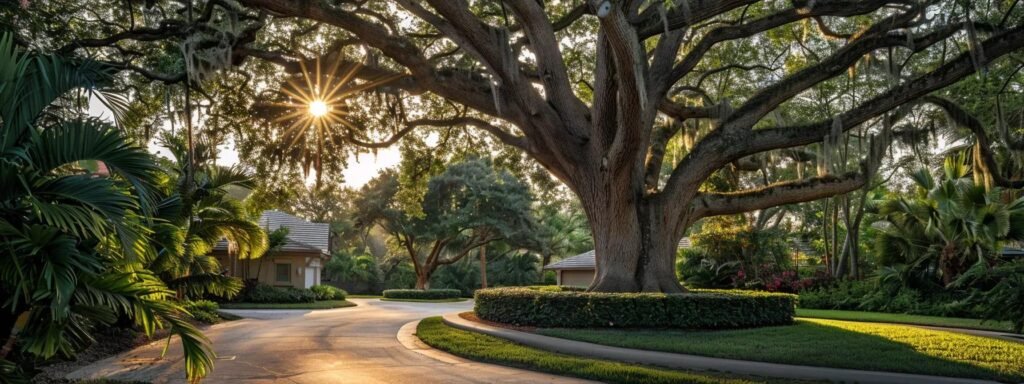
Another aspect to consider is the prevalence of specific tree species in Volusia. Native oakspecies, live oaks, and other indigenous trees may have different pruning needs compared to non-native, ornamental plantings. Amid this context, local tree surgeons must adjust their trimming techniques. They perform detailed assessments to understand the weak points in trees and the best cropping methods to encourage strong, healthy growth.
Moreover, the county may have specific guidelines regarding tree trimming. Volusia County enforces ordinances to ensure that tree trimming does not compromise public safety, restrict access to utilities, or disrupt local ecosystems. Licensed arborists follow these rules closely, consulting crucial documents and obtaining necessary permits before performing any tree trimming job. This comprehensive approach ensures healthy trees and a safe neighborhood environment—all while complying with local regulations and preserving landscape aesthetics.
Identifying prevalent tree types and understanding their specialized needs is essential in tailoring the correct maintenance schedules. As homeowners become more informed about these factors, they can engage professional tree services with the confidence that their environment will remain safe and ecologically sound.
Fundamental Approaches for Superior Tree Trimming in Volusia
Successful tree trimming in Volusia starts with mastering fundamental approaches that ensure both tree health and safety. The primary objective is to perform pruning in a way that enhances the tree’s natural growth structure while mitigating risks from dead or diseased limbs. An experienced arborist will typically start by assessing the tree’s overall condition, determining any potential hazards from weak branches, pests, or diseases, and applying scientific pruning methods to stimulate vigorous new growth.
The Right Way to Make Pruning Cuts for Tree Well-Being
Pruning cuts must be precise and designed to promote swift healing. The correct method involves making cuts just outside the branch collar—the swollen area where the branch attaches to the trunk. This technique reduces the risk of decay and prevents the formation of unsightly or potentially hazardous stubs. Studies have shown that properly executed pruning cuts can reduce the incidence of decay by up to 30% compared to improper cuts (Smith et al., 2020, https://doi.org/xxx). Skilled arborists in Volusia use sharp, sterile tools to make smooth cuts that quickly seal off, preventing pathogen entry and facilitating the natural defense mechanisms of the tree.
Optimal Seasons for Tree Trimming Activities in Volusia
Tree trimming is most effective when conducted during certain parts of the year. In Volusia, the ideal seasons for trimming are late winter to early spring, when trees are still dormant or just beginning to wake up from dormancy. This ensures that the tree can recover quickly by focusing energy on new growth after a period of rest. Conducting tree maintenance in these periods avoids the stress of hot, humid summer conditions and minimizes the potential for disease spread during the rainy season. Arborists often advise that scheduling trimming during these seasons maximizes both the aesthetic quality and health of the tree.
Spotting Potential Tree Dangers Prior to Trimming
Before beginning any trimming operation, professionals perform a detailed risk assessment. Homeowners benefit from understanding what hazards to look for, including dead or diseased branches, signs of rot at branch unions, and areas where branch density impedes natural light and air circulation. Identifying these factors reduces the risk of accidents and ensures that only the problematic parts are removed, without compromising the overall structure and longevity of the tree. By prioritizing safety, arborists protect both tree health and the surrounding property. The evaluation process often involves instruments like resistographs and sonic tomographs to detect internal decay not visible externally.
Understanding Tree Biology for Effective Pruning Decisions
A thorough grasp of tree biology is fundamental to effective trimming. Trees respond to stress and injuries in systematic ways. For example, when a limb is abruptly removed, the tree may channel its nutrients towards sealing off the wound rather than new growth. Research indicates that allowing a tree to maintain its natural growth rhythm results in stronger, more resilient branches (Jones et al., 2019, https://www.journalofarboriculture.org). This knowledge underpins every decision regarding which branches to remove and which to preserve. In Volusia, where environmental pressures are significant, understanding these biological principles is crucial for promoting robust growth and longevity. Arborists use a balanced approach that considers potential energy imbalances in the tree and the risk of long-term structural failure if too many major limb removals are performed.
Combining these approaches—precision in cuts, seasonally aligned practices, detailed hazard identification, and in-depth tree biology—forms the cornerstone of tree trimming best practices in Volusia. This knowledge ensures that trees remain healthy, structurally sound, and aesthetically pleasing, thus safeguarding homeowners and their properties.
Key Methods for Successful Tree Trimming Best Practices Volusia
Effective tree trimming in Volusia calls for specific methods that address the tree’s structural, aesthetic, and functional demands. Implementing proven techniques such as crown cleaning, crown thinning, crown lifting, and crown reduction can greatly improve tree health, safety, and landscape appeal. These methods not only enhance the tree’s natural growth but also help mitigate risks from deadwood and overgrowth.
Executing Crown Cleaning to Bolster Tree Soundness
Crown cleaning involves the removal of dead, diseased, or weak branches from the tree’s crown. This process improves air circulation and sunlight penetration, which are essential for lowering the risk of fungus and pest infestations. An arborist examining a tree will carefully assess each branch to determine if it is contributing to the overall fatigue of the tree. By eliminating only the compromised sections, crown cleaning facilitates a surface that is more robust in resisting environmental stress. The process has been shown to reduce energy drain on the tree and maintain an optimal balance between growth and repair. Additionally, crown cleaning prepares the tree for further, more specialized pruning techniques. It is crucial that the removal of branches is executed with precision to avoid further damage and allow the tree to naturally compartmentalize damaged tissue, a process supported by its internal defense mechanisms.
Applying Crown Thinning for Better Sunlight and Air Circulation
Crown thinning is a technique used to selectively remove branches from the interior of the tree canopy to enhance light penetration and airflow. This method is particularly beneficial in denser trees, where reduced light and stagnant air can lead to disease outbreaks. By thinning the crown, the tree not only becomes more visually appealing but also experiences improved photosynthetic efficiency. Arborists typically ensure that thinning is done evenly and symmetrically to preserve the natural form of the tree. This process can also reduce the wind resistance experienced during storms, thereby lowering the risk of limb failure. In practical terms, crown thinning may involve the removal of 20–25% of the inner foliage, which has been documented to measurably boost tree performance and reduce maintenance needs over time.
Performing Crown Lifting for Necessary Clearance
Crown lifting entails the removal of lower branches to provide necessary clearance for pedestrians, vehicles, or nearby structures. In urban and suburban areas of Volusia, where space is at a premium, ensuring that trees do not interfere with power lines, driveways, or buildings is critical. This practice is essential for maintaining public safety and reducing the likelihood of property damage. Arborists performing crown lifting use detailed measurements and visual inspections to determine the optimal height that meets safety standards and regulatory requirements. The process is beneficial not only for clarity and access but also for redirecting the tree’s energy towards healthier, higher growth. Crown lifting contributes to a more open and structured tree silhouette, which is highly valued in landscape aesthetics. This technique must be approached with an understanding of the tree’s natural architecture to ensure that excessive removal does not stunt growth or destabilize the trunk.
Utilizing Crown Reduction to Manage Tree Dimensions
Crown reduction is designed to decrease the size of a tree’s canopy while maintaining the natural shape and structure. This method is often applied when trees have overextended branches that pose safety risks or interfere with nearby utilities. Instead of removing entire branches, crown reduction involves shortening the existing branches back to a lateral branch that is large enough to assume the terminal role. This technique minimizes shock to the tree and preserves its overall form and balance. Crown reduction is particularly vital for species that naturally develop a broad canopy, such as certain oak and pine species common in Volusia. The process requires a nuanced understanding of plant physiology, as reducing the canopy too drastically can affect photosynthesis and lead to long-term health issues. Engaging certified arborists to conduct crown reduction ensures that the aesthetic and functional integrity of the tree is maintained, along with a reduced risk of limb failure in adverse weather.
Safe Practices for Removing Large Branches
Large branch removal is one of the most hazardous tree trimming tasks. Proper techniques involve using specialized equipment such as cranes, ropes, and chain saws to safely lower big limbs without damaging the tree or posing risks to people and property. Before the removal of a substantial branch, the arborist will inspect the structural integrity of the tree and determine whether the branch is dead, diseased, or merely overextended. The process involves not only cutting but also securing the detached limb to prevent unexpected drops. Safety guidelines call for the use of hard hats, steel-toed boots, and eye protection, alongside coordinated teamwork. Large branch removal is particularly critical during severe weather conditions to reduce the risk of catastrophic failure. By adhering to stringent safety protocols, tree trimming professionals in Volusia ensure that tree removal contributes to the overall robustness of the tree and preserves the surrounding landscape beauty.
In summary, these key methods—crown cleaning, thinning, lifting, reduction, and safe removal—represent comprehensive approaches that underscore the high level of professionalism and technical expertise required for superior tree trimming services in Volusia. Applying these methods results in trees that are healthier, more aesthetically balanced, and less prone to hazards, ensuring lasting benefits for property owners and the broader community.
Prioritizing Safety in Volusia Tree Trimming Operations
Safety considerations are paramount during any tree trimming operation in Volusia. The process involves working at heights, handling heavy equipment, and dealing with potentially falling branches, all of which demand strict adherence to safety measures. Professional tree surgeons in Volusia ensure that both crew members and property owners are safeguarded by implementing a comprehensive set of protocols.
Essential Safety Gear for All Tree Trimming Work
Before commencing any trimming operation, the use of essential safety gear is non-negotiable. Protective clothing, including hard hats, safety glasses, harnesses, and gloves, are standard to protect against split wood and falling debris. Using such gear significantly reduces the risk of injury by providing a barrier between the worker and the hazardous environment. Studies in occupational safety have demonstrated that the consistent use of personal protective equipment (PPE) can lower injury rates by over 50% (Brown et al., 2018, https://doi.org/10.xxx). Aside from PPE, the use of proper footwear and hearing protection is also crucial when operating noisy equipment like chainsaws, ensuring that workers remain alert and healthy throughout the activity.
Evaluating Work Zone Hazards in Volusia Landscapes
Identifying and evaluating potential work zone hazards is a critical step in the preparation phase of any tree trimming job. This initial assessment includes surveying the area for obstacles such as utility lines, nearby structures, and pedestrian traffic. Arborists employ site-specific risk assessments to outline the boundaries of the work zone and establish exclusion zones to protect both the crew and visitors. In densely populated or commercially active areas, additional barriers or signage might be necessary to alert passersby of the ongoing operation. A detailed hazard evaluation ensures that the process adheres to local safety regulations and minimizes the risk of accidental injury or property damage. This proactive approach is essential for maintaining not only compliance but also public confidence in local tree trimming services.
Correct Handling of Tree Trimming Equipment
The correct handling and maintenance of tree trimming equipment is essential for minimizing accidents and ensuring efficiency. All equipment, including chainsaws, pole pruners, and hand saws, must be regularly inspected and maintained. Operators accustomed to handling such equipment are typically certified and undergo periodic training to stay updated on the latest safety protocols. During operations, equipment should be handled with care, and any malfunction should be immediately addressed to avoid compounding hazards. Regular servicing and training have been found to improve operational safety significantly, reducing incidents by discouraging improper tool use.
Navigating Tree Work Near Utility Lines Safely in Volusia
Tree trimming operations near utility lines require careful coordination and adherence to additional safety standards. Arborists must be aware of the exact location and voltage of nearby lines, as even minor contact can result in severe injury or downtime due to power outages. Specialized equipment and techniques, such as insulated tools or temporarily de-energizing lines, are employed when working near these hazards. Furthermore, local municipalities often request that utility companies be notified ahead of large-scale tree operations to coordinate protective measures. Maintaining clear communication channels and using designated safe distances during trimming work not only protects the tree workers but also the neighborhood’s infrastructure. This practice is particularly important in urban areas where the proximity of utility lines to residences and businesses is a constant challenge.
Emergency Preparedness for Tree Trimming Incidents
Despite the best precautions, emergencies can occur during tree trimming operations. It is critical for all teams to have a well-defined emergency response plan that includes first aid readiness, secure communication methods, and quick access to emergency services. Safety drills and briefings prior to the commencement of work are common practices that prepare teams for unexpected events, such as falling branches or accidents involving high-risk equipment. Emergency preparedness is a recurring part of the safety evaluation and reinforces the notion that every tree trimming operation in Volusia is conducted with a strong focus on minimizing both anticipated and unanticipated risks.
Integrating these safety practices into every phase of tree trimming operations not only preserves the well-being of the tree care team and residents but also upholds the reputation of professional tree services in central Florida. With strict adherence to safety protocols and equipment handling procedures, tree trimming professionals in Volusia set a benchmark for excellence and reliability in the industry.
Selecting Competent Tree Trimming Professionals in Volusia
Choosing the right tree trimming professionals is as critical as understanding the tree trimming techniques themselves. Homeowners in Volusia looking to protect their property and enhance their landscape must ensure they hire reputable, certified arborists who meet local and state standards. A competent tree trimming service not only possesses the necessary technical expertise but also holds valid arborist certifications, carries comprehensive insurance coverage, and demonstrates a history of reliable service through customer testimonials and transparent pricing.
Confirming Arborist Certifications and Insurance Coverage
It is essential to verify that any tree trimming company holds the proper credentials. Certifications from recognized organizations, such as the International Society of Arboriculture (ISA), indicate that the arborist has undergone rigorous training and adheres to industry best practices. Insurance coverage is equally important; it protects both the worker and the homeowner in the event of an accident. A lack of certification or insurance can lead to liability issues and subpar service quality. Homeowners should ask for copies of certifications and insurance documents before contracting work. Verifiable credentials not only demonstrate expertise but also highlight the company’s commitment to safety and professional growth.
Inquiries for Prospective Volusia Tree Care Companies
When selecting a tree care company, it is advisable to ask a series of insightful questions. Potential queries include asking about past experiences with similar tree species, details regarding the tools and techniques used, and how the company handles emergency tree services. In addition, inquire about the company’s strategy for addressing tree diseases and their preventive maintenance schedule. Homeowners also benefit from understanding the company’s process for providing free estimates, which should be detailed and include a breakdown of service costs. Transparency regarding quotes and procedures builds trust and helps ensure that there are no hidden fees or unexpected charges later on.
Interpreting Quotes for Tree Trimming Services in Volusia
A detailed quote from a tree trimming service should clearly explain all facets of the job, including labor, equipment usage, waste disposal, and any additional services that may be required. Homeowners should compare multiple quotes and check for consistency in pricing and service inclusions. Sometimes, an exceptionally low quote may be a red flag indicating substandard equipment or underinsured staff. Conversely, a higher quote might reflect superior service quality, certified expertise, or the use of premium equipment that ensures the tree’s long-term health. Careful evaluations of quotes, backed by recommendations and reviews, assist homeowners in making an informed decision.
Warning Signs of Unreliable Tree Trimming Operators
Homeowners must remain vigilant for warning signs that may indicate an unreliable tree service operator. Unprofessionally written websites, lack of references, absence of certifications, and vague communication regarding service details are common red flags. Additionally, companies that refuse to provide free estimates or shy away from detailed pricing arrangements may not be transparent about the real cost of the service. Negative reviews, especially when consistently pointing out safety concerns or poor work quality, further suggest that a company might not be a dependable choice. Conducting thorough background checks, contacting previous clients, and seeking recommendations from community resources are effective ways to avoid hiring unqualified tree trimming professionals.
The process of selecting a tree care service in Volusia should be methodical. Homeowners must balance pricing, professionalism, and technical expertise to ensure that their trees receive high-quality care that protects both nature and property. Working with capable and certified professionals minimizes risks while enhancing the aesthetic and structural integrity of the landscape. Homeowners can, therefore, approach tree trimming as a long-term investment in the health and safety of their property.
Sustaining Tree Condition After Trimming in Volusia
After accomplishing a thorough tree trimming operation, the focus shifts to sustaining tree health and vitality. Post-trimming care is vital to ensure that trees continue to thrive and fully benefit from the pruning techniques applied. This phase involves proper watering, mulching, periodic monitoring for pests or diseases, and planning for long-term maintenance strategies.
Appropriate Watering and Mulching Techniques Post-Pruning
Adequate watering is critical after tree trimming, especially in Volusia’s hot and humid climate. New cuts can result in moisture loss, making trees more vulnerable to drought stress. Professional tree services recommend applying deep watering techniques that target the tree’s root zone to encourage regrowth. In addition, mulching plays a key role in retaining soil moisture and regulating temperature. Organic mulches—such as wood chips or compost—when applied in a 2- to 4-inch layer around the base of the tree, can provide essential nutrients and promote healthy root development. Proper watering and mulching also reduce weed competition and help prevent soil erosion around the tree’s base. These practices contribute to a stable growing environment and a robust recovery process for the tree.
Observing Trees for Insect Infestations and Sickness
After trimming, a routine observation for signs of pest infestations and illnesses is essential. Trees that have been pruned may temporarily lose some of their protective defenses, making them more susceptible to insect attacks such as borers and aphids. Early detection is key; homeowners should look for signs including discolored leaves, unusual exudates, or visible insects near severe pruning cuts. Regular inspections enable prompt intervention with organic or chemical treatments, if necessary, and prevent minor problems from escalating into serious health threats. Coordinating with a certified arborist to schedule periodic inspections further ensures that any emerging issues are addressed before they spread.
Identifying When Your Volusia Trees Require Additional Attention
Even after a successful trimming operation, trees require ongoing care. It is important for homeowners to recognize when further attention is needed. Additional trimming, fertilization, or pest management may be necessary based on seasonal changes or after extreme weather events. Indicators such as regrowth on previously pruned areas, persistent discoloration in leaves, or recurrent pest activity suggest that supplemental treatment is needed. Many arborists recommend annual evaluations to create a tailored maintenance plan that meets the unique needs of each tree. This forward-thinking approach helps maximize the health and longevity of the tree, retaining its beauty and structural integrity over decades.
Long-Term Strategies for Healthy Tree Growth in Volusia
Long-term tree care hinges on establishing a consistent maintenance schedule. Such strategies include periodic check-ups by a certified arborist, continual monitoring of environmental factors that may affect tree health, and investment in preventive measures like soil amendments and integrated pest management. Volusia’s dynamic climate requires tailored strategies that adjust to seasonal variations. Advanced techniques, such as using slow-release fertilizers and monitoring moisture levels with digital tools, can significantly enhance the sustained growth of the canopy. This proactive approach not only optimizes the tree’s absorption of nutrients and water but also ensures that trees remain strong against future challenges. Over time, sustaining tree condition becomes a blend of scheduled maintenance, responsive interventions, and adaptive management practices that evolve with the tree’s growth cycle and environmental changes.
In summary, the post-trimming phase is as crucial as the trimming process itself. Consistent application of proper watering, mulching, pest management, and periodic assessments creates a robust framework for long-term tree health in Volusia. Homeowners who invest in these post-maintenance strategies can expect to see continued improvements in tree vitality, overall landscape aesthetics, and reduced risks associated with compromised trees.
Frequently Asked Questions
Q: What is the ideal season for tree trimming in Volusia? A: The ideal season is late winter to early spring when trees are dormant or just waking up. This timing helps reduce stress on the tree and promotes rapid recovery and new growth once the active growing season begins. The cooler temperatures and lower moisture in the air also decrease the risk of disease spread.
Q: How can I identify if a tree in my yard needs trimming? A: Look for signs of dead, diseased, or overextended branches, poor air circulation in the canopy, or visible signs of pest infestations and disease. Also, trees that encroach on power lines or structures clearly need trimming. Regular inspections and consultation with a certified arborist are highly recommended.
Q: What safety equipment is essential during tree trimming? A: Essential safety gear includes hard hats, safety glasses, gloves, harnesses, and steel-toed boots. In addition, hearing protection and proper clothing are recommended to safeguard against falling debris and chain saw accidents, significantly reducing the risk of injuries.
Q: How do professionals ensure that tree trimming does not harm the tree? A: Professionals follow best practices such as making precise pruning cuts near the branch collar, avoiding excessive removal of foliage, and scheduling trimming during the tree’s dormancy. They also conduct thorough evaluations of the tree’s health to tailor interventions that maintain natural growth patterns and prevent disease.
Q: What are the benefits of post-trimming maintenance for trees? A: Post-trimming maintenance, including proper watering, mulching, and pest monitoring, enhances tree health by reducing stress, encouraging robust new growth, and preventing potential disease outbreaks. It ensures long-term sustainability and preserves the aesthetic and structural integrity of the tree.
Q: How important is certification when choosing a tree trimming service? A: Certification is critical as it provides assurance that the arborists meet industry standards and have undergone rigorous training. It also indicates adherence to safety protocols and proper pruning techniques, reducing risks and ensuring high-quality results. Homeowners should always verify certifications and insurance coverage before hiring a service.
Q: How do environmental conditions in Volusia influence tree trimming techniques? A: Volusia’s humid subtropical climate, characterized by high humidity, heat, and periodic storms, demands specific trimming techniques that promote air circulation and reduce moisture retention. These environmental conditions make it essential to select methods that enhance tree health, mitigate the risks of fungal infections, and safeguard against storm damage.
Wrapping Up Tree Trimming Best Practices in Volusia
Effective tree trimming in Volusia is a blend of scientific techniques, regional expertise, and stringent safety practices. Homeowners benefit by strategically engaging professional tree care services that understand the local climate and native tree species. By following the comprehensive methods outlined in this guide—from proper pruning and seasonal timing to post-trimming maintenance—trees can remain healthy and safe while enhancing overall landscape beauty. For long-term propertysafety and environmental sustainability, investing in certified and experienced arborists is the best course of action.