Article: # Tree Trimming Safety Tips for a Secure Job: Essential Guidelines for Homeowners and Professionals
Every year, thousands of homeowners face preventable injuries while pruning trees, highlighting the need for expert tree trimming safety tips for a secure job. This guide outlines essential personal protective equipment, safe tool operation, hazard identification, professional decision-making, and advanced cutting techniques. By following these recommendations, homeowners in Orlando can reduce risks, protect tree health, and know when to enlist certified arborists.
What Personal Protective Equipment Is Essential for Safe Tree Trimming?

Personal protective equipment (PPE) combines head, eye, hand, and body protection to shield arborists from falling debris, flying wood chips, and equipment accidents. Proper PPE minimizes injury severity and maintains clear visibility of cutting zones. For example, impact-resistant gloves and hard hats reduce laceration and concussion risks during branch removal.
Key PPE items include:
- Certified hard hat or helmet rated for falling objects
- ANSI-approved safety glasses and earmuffs
- Cut-resistant gloves with reinforced palms
- Steel-toe, slip-resistant boots
- Chainsaw chaps or protective clothing
Which Hard Hats and Helmets Protect Against Tree Trimming Hazards?
Arborist helmets feature impact-absorbing liners and chin straps to prevent head trauma from sudden branch falls.
| Helmet Type | Protection Rating | Recommended Use |
|---|---|---|
| Class C Climber | Low-impact debris | Light pruning at ground level |
| Full-Brim Arborist | Medium-impact strikes | Elevated work near large limbs |
| Integrated Chinstrap | High-impact hazards | Aerial lifts and deep-crown trimming |
Choosing the correct helmet maintains critical head protection and transitions smoothly into eye and ear safeguards.
How Do Eye and Ear Protection Prevent Injuries During Tree Work?
Safety glasses with side shields block wood chips and sawdust, while earmuffs reduce noise-induced hearing loss from chainsaw vibrations. These safeguards maintain focus and prevent distractions that can lead to miscuts.
Proper hand and foot protection complete the PPE lineup before specialized clothing is added.
What Gloves and Footwear Are Recommended for Tree Trimming Safety?
Cut-resistant gloves with tactile fingertips enhance grip on tools and branches, while steel-toe boots protect against crushing injuries and provide ankle support. Slip-resistant soles maintain stable footing on uneven terrain, reducing fall risk.
Essential footwear and gloves reduce hand lacerations and foot impacts, paving the way for protective chaps and clothing.
Why Are Chainsaw Chaps and Protective Clothing Important?
Chainsaw chaps use dense fibers to slow rotating chains, preventing deep leg cuts in the event of blade contact. Protective jackets and pants resist punctures from thorns and sharp bark, preserving skin integrity during aggressive trimming tasks.
With PPE secured, safe tool handling becomes the next priority.
How Can You Safely Use Tree Trimming Tools and Equipment?

Safe operation of pruning tools and power equipment relies on proper inspection, maintenance, and technique. Keeping blades sharp reduces kickback, while checking fasteners prevents unexpected failures. A systematic pre-work checklist ensures each tool functions reliably.
Key equipment safety practices include:
- Maintain a sharp chainsaw blade and check chain tension
- Inspect ladder angle (75°) and secure the base before climbing
- Position pole saws within arm’s reach and avoid overextension
- Use pruning shears rated for live-wood cuts and disinfect after use
Implementing these steps streamlines task execution and leads into addressing environmental hazards.
What Are the Best Practices for Chainsaw Safety at Home?
Consistent two-handed grip and proper stance reduce recoil, while engaging chain brakes before repositioning prevents accidental starts. Always isolate fuel sources when servicing.
How Should You Use Ladders Safely When Trimming Trees?
Place ladders on stable ground, lock spreaders fully, and have an assistant brace the base. Never lean sideways; descend and reposition for lateral cuts.
What Safety Tips Apply to Using Pole Saws and Pruning Shears?
Operate pole saws at shoulder height, maintain three-point contact when cutting, and clear branch debris before lowering. Disinfect pruning shears between cuts to limit disease spread.
What Personal Protective Equipment Do You Need for Safe Tree Trimming?
Awareness of environmental risks—electrocution, falling branches, unstable footing, and wildlife encounters—forms the backbone of hazard prevention. A thorough site inspection uncovers hidden dangers before work begins.
Identifying these hazards protects both the worker and the tree’s structure.
How Do You Safely Trim Trees Near Power Lines?
Maintain at least a 10-foot clearance from energized wires, de-energize circuits when possible, and use insulated tools. If lines are closer, contact the utility company for professional assistance.
How Can You Identify Dead or Diseased Branches Before Trimming?
Look for discolored leaves, brittle wood, fungal growths, and cavities. Sound tests with a mallet can reveal hollow sections prone to unexpected breakage.
What Are the Risks of Falls and How Can They Be Prevented?
Slippery bark, unstable branches, and improper harness use can lead to falls. Employ fall-arrest systems, anchor points rated for arborist work, and inspect all rigging before ascent.
How Should You Handle Wildlife and Insect Nests in Trees?
Maintain a safe distance from active nests, use branch inspection poles, and relocate insect habitats before cutting. Personal protection and awareness of local wildlife regulations ensure ethical removal.
When Should You Hire a Professional Arborist Instead of DIY Tree Trimming?
Large canopy work, complex rigging, and proximity to structures or utilities significantly increase risk for DIY enthusiasts. Professional arborists possess specialized training, equipment, and insurance to mitigate these challenges.
Knowing these thresholds safeguards health, property, and legal liability.
What Are the Risks of DIY Tree Trimming for Large or Hazardous Trees?
Unfamiliar limb dynamics and improper cutting angles can lead to branch failures, property damage, and personal injury. Lack of aerial access equipment limits safe removal paths.
How Does Tree Trimming Insurance and Liability Affect Homeowners?
Homeowner policies may exclude tree work under certain conditions, shifting liability for injuries and damage back to the property owner. Certified arborists carry coverage that transfers risk away from the homeowner.
What Are the Benefits of Hiring a Certified Arborist for Safe Tree Care?
Certified arborists apply industry standards to preserve tree health while preventing accidents.
For expert tree removal and trimming services, see the Volusia Tree Service: Tree Removal and Trimming Experts at Daytona Tree Service.
How Do Emergency Tree Trimming Services Ensure Safety After Storm Damage?
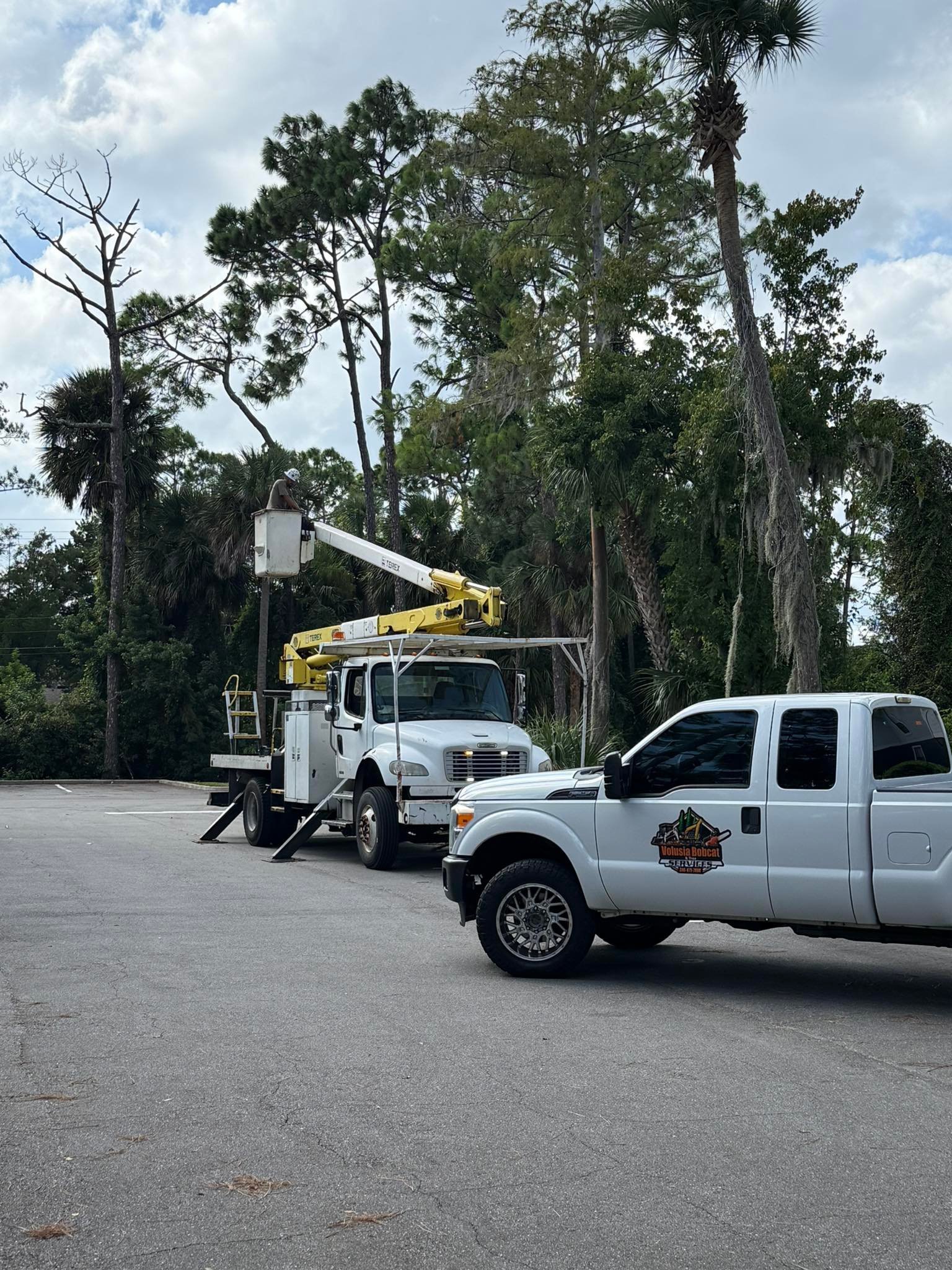
Emergency crews perform rapid risk assessments, deploy aerial lifts safely, and remove hazardous branches in a controlled sequence to prevent secondary collapses.
What Are the Safe Tree Trimming Techniques to Protect Yourself and the Tree?
Advanced cutting methods balance user safety with tree biology, preserving vascular tissue and minimizing stress to the tree.
How Does the Three-Cut Method Prevent Bark Damage and Ensure Safety?
The three-cut approach—undercut, relief cut, and final sever—prevents bark tears on the trunk and controls branch drop zones for worker protection.
What Are the Proper Branch Removal Angles for Tree Health and Safety?
Pruning at a 45° angle just outside the branch collar promotes rapid healing and reduces water infiltration at the wound site.
Why Are Safe Tree Felling Techniques Important and When Should They Be Used?
Directional felling cuts and escape paths are critical when removing entire trees to guide fall trajectory and protect bystanders and structures.
Prioritizing safety gear and correct methods significantly reduces injury risk and protects tree health. Homeowners gain confidence by following PPE guidelines, safe tool use, and hazard assessments. When jobs exceed personal skill or equipment limits, professional arborists deliver secure, compliant solutions. Visit orlando-tree-removal.com to request a safety-focused tree trimming quote today.