
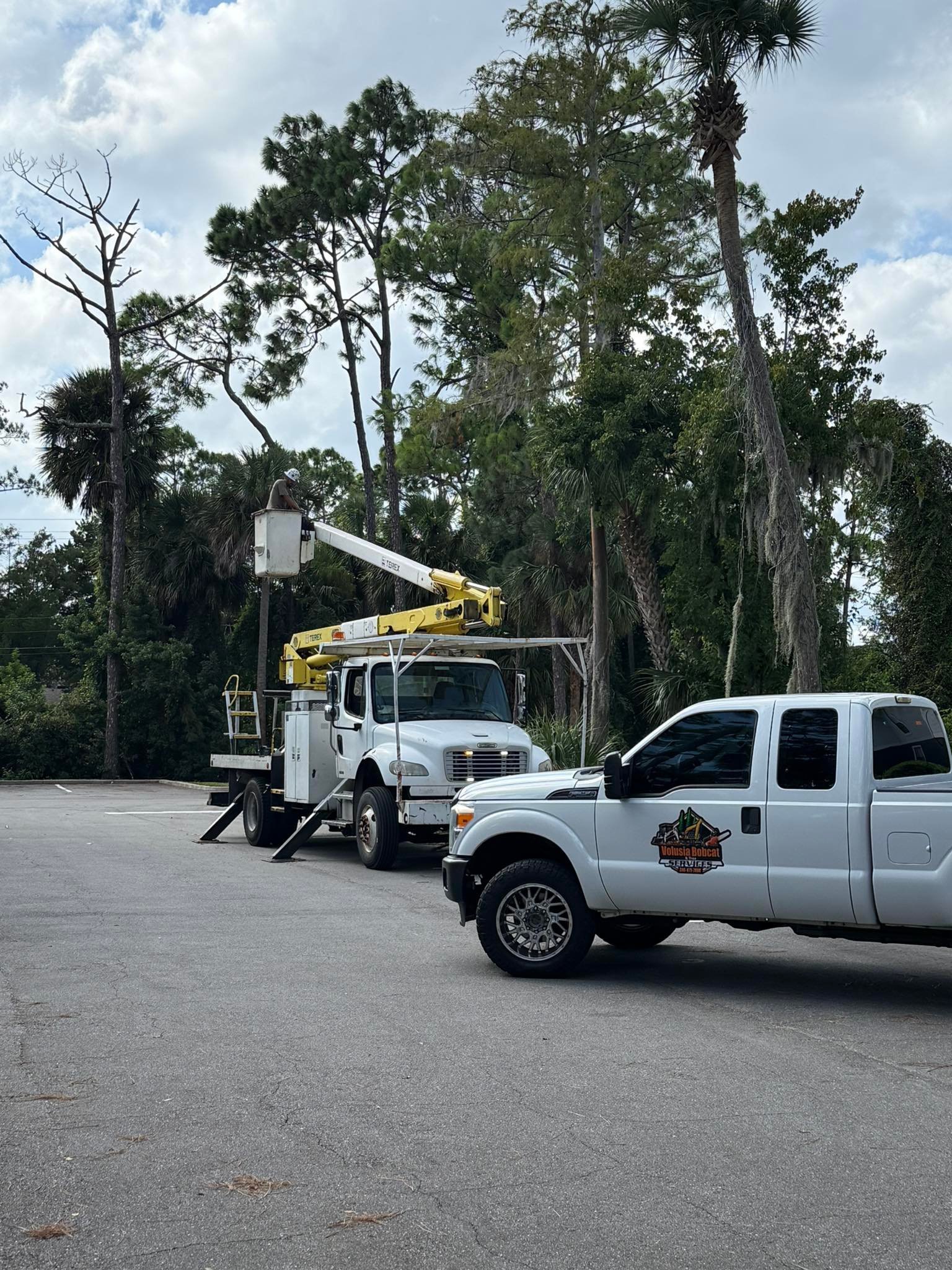
In this guide: Choose reliable instructions for your address · Plan for everyone in the household · Handle maintenance before conditions deteriorate · Keep storm and flood responses distinct · Plan a safe recovery
Choose reliable instructions for your address
Use official weather alerts and local emergency-management information. Know whether surge, flooding or the building type affects your shelter decision. Do not treat an interior room as a substitute for an evacuation order.
Plan for everyone in the household
Discuss transport, medications, accessibility needs, pets and communication if normal service is disrupted. Identify a meeting or contact arrangement appropriate to your situation. Review the plan before a warning is issued so important decisions are not improvised under pressure.
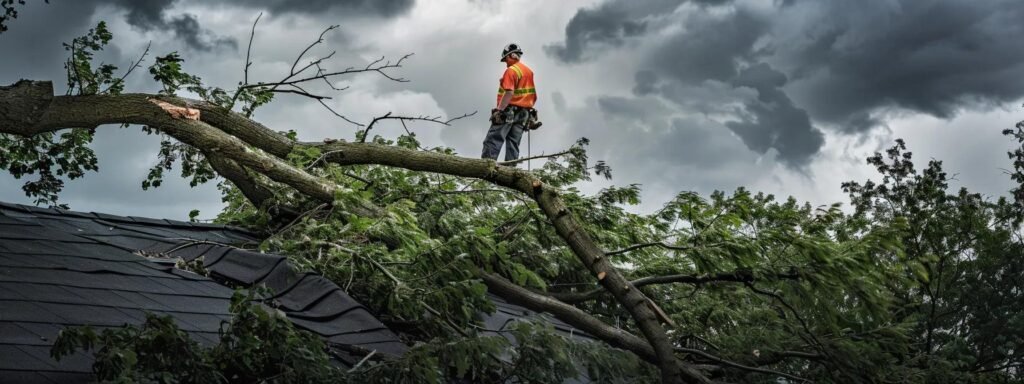
Handle maintenance before conditions deteriorate
Arrange qualified help for structural, electrical and tree concerns. Do not attempt to relocate electrical equipment or improvise building reinforcement based on a short checklist. Ask appropriate professionals about the specific property and applicable requirements.

Keep storm and flood responses distinct
Sheltering for wind and avoiding rising water can require different actions. Follow current official instructions for the hazard affecting your location. Avoid driving through floodwater and do not enter a damaged structure merely to photograph a fallen tree.
Plan a safe recovery
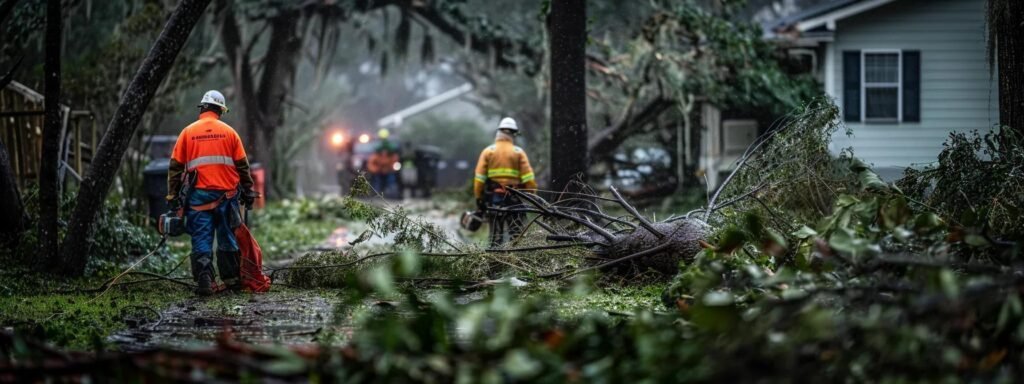
Keep away from hanging branches, unstable trunks and possible electrical hazards. Contact emergency services or the utility where appropriate, then arrange tree-work assessment. Preserve records for insurance discussions and confirm the work and payment scope before routine cleanup begins.
Related services and planning guides
Storm checklist · Tree-damage insurance questions
Helpful references
National Weather Service hurricane actions · NAIC homeowners insurance